Like most golf courses in the UK, we are trying to manage and eradicate a percentage of Poa Annua (Annual Meadow Grass) within our golf greens, especially around perimeters and areas of increased wear due to traffic.
Due to the prolonged adverse weather conditions faced in the first 5 months of 2026 we have found the Annual Meadow Grass plant has started to seed around 3 weeks behind an average year. We find that being pro active and the use of data-driven decision making is important to achieve optimum performance of surfaces throughout the year.
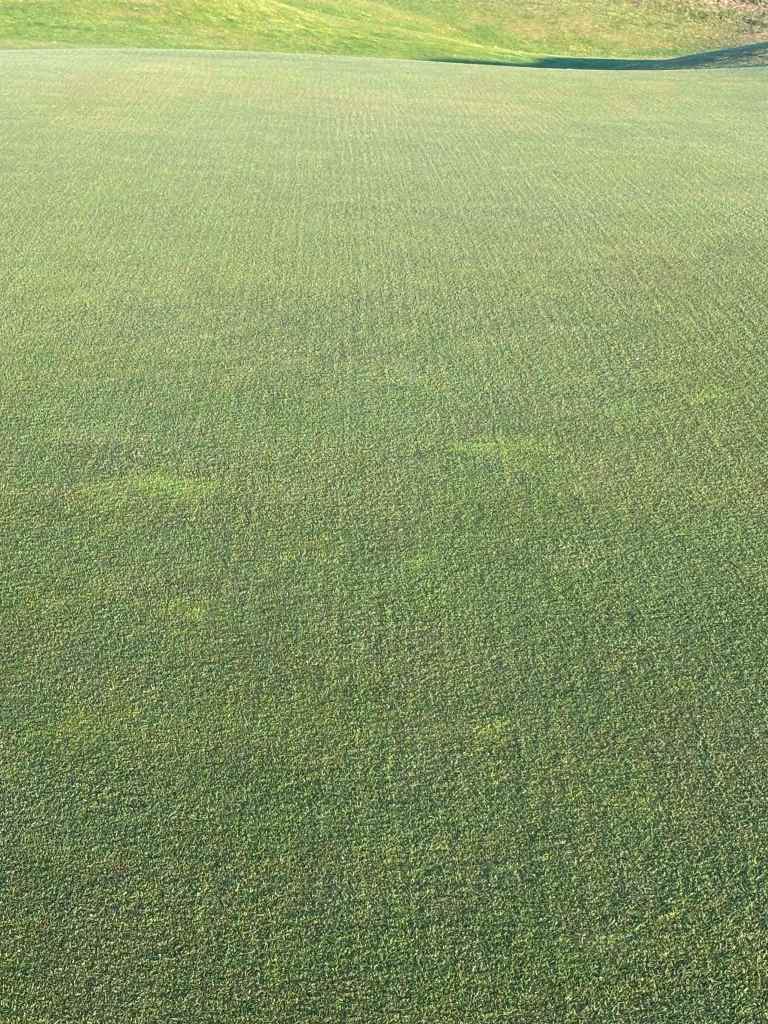
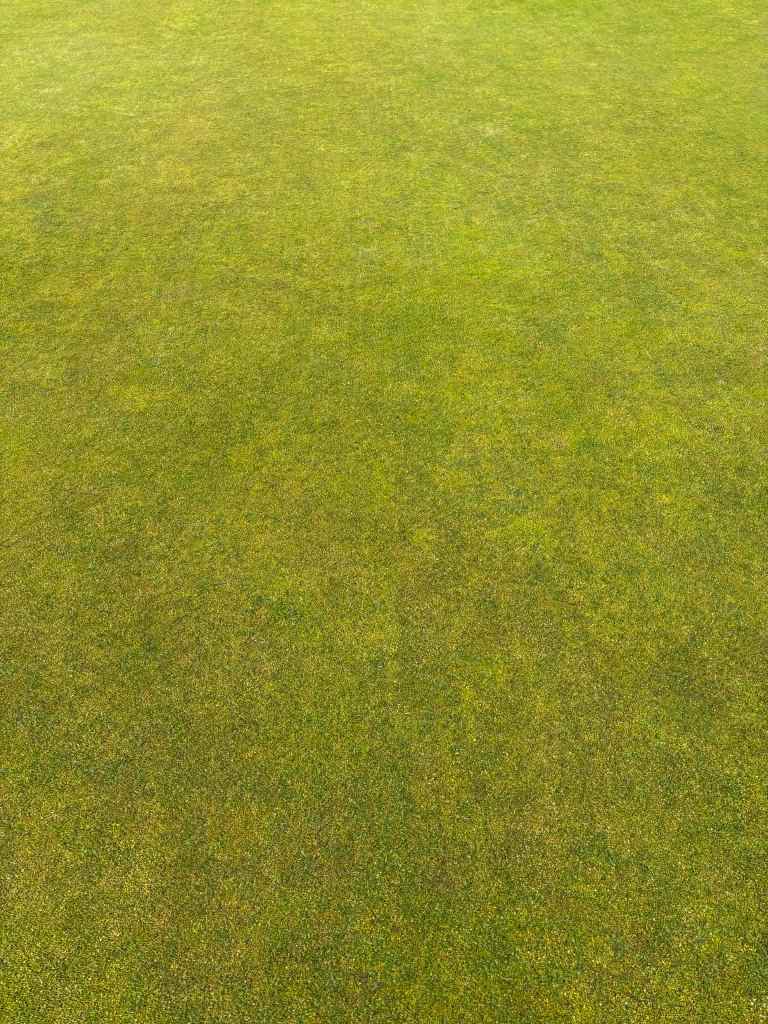
Poa Annua is one of the most widely distributed weed problems that Course Managers in the Uk face as it is a prolific seed producer, producing 13,000 seeds per plant with no obvious dispersal mechanism. The seed can live for years in the soil and will germinate when it is exposed by a ball mark so this is why it is essential to repair your pitch marks regularly. Annual meadow-grass is also the most susceptible grass species to Microdochium nivale, the number one disease on fine turf surfaces in the UK. The surface conditions associated with annual meadow grass Poa annua are the polar opposite to those associated with the fine fescue and bent grasses we are trying to promote here at Royal Aberdeen. Greens which are dominated by grasses such as fescue and bent are typically firm, smooth, true and fast, whilst greens where Poa annua makes up the majority of the sward are typically soft, wet, spongy, unpredictable to play on and slow.
Total eradication is unlikely but we are continually trying to reducing the overall content and improve the sward composition in favour of more desirable grasses suited to our links environment.
The timing of the following maintenance procedures have been key to try and suppress Poa Annua during the seeding period.
Apply Silicon – Sea Nymph green speed is a potassium silicate formulation which is designed to provide efficient calcium and silicon nutrition, promote vertical growth, improve the plant health and wear tolerance. Silicon is deposited in the leaf cells, cell walls and cuticles which will result in a more erect leaf blade. This has made the removal of annual meadow grass seed heads easier when mowing by standing the seed heads upright. Enhancing cell wall structure will reduce ball markings, improve ball speeds, and improve overall playing surface performance.
Brushing – We have been using the Sports Metals brush attached to our greens mowers regularly. It follows the contours of our greens evenly which is ideal for standing up the grass before we mow to achieve an extra clean cut, removing as many seed heads as possible and obtaining a faster/smoother ball roll.
Reduce Water Applications / Apply Wetting agent – Over-watering only encourages the wrong grasses so we have only been applying enough water to keep the grass healthy and ensure the surface is receptive to incoming golf balls. Tri Smart wetting Agent has been applied to allow enhanced water movement through the profile, resulting in more aerobic conditions for efficient soil microbe activity.
Reduce Fertility – By applying a balanced nutritional feed will ensure the grass plant receives an adequate supply of essential nutrients without overfeeding. By lowering our annual nitrogen rates it will encourage more bents and fescues and less Poa Annua ingress.
Verti Cutting – This is the quickest most effective way of removing the seed and the stalks from within our sward. Verti-cutting allows for penetration to the base of the grass leaf and removes various unwanted weaker grasses and invasive species leaving us with a clean profile. Verti-cutting when the grass is actively growing is also an important cultural practice in the spring to remove any build up of dead material accumulated during the winter.
Regular Sand Topdressing – Light Topdressing of surfaces using our indigenous sand has given Royal Aberdeen several benefits. It helps us produce a smooth, true and firm putting surface. In the previous 14 months we have applied nearly 400 tonnes of sand topdressing to greens and approaches which also help us regulate our organic matter percentage. Regular Topdressing also helps us protect the crown of the plant and it has increased ball-roll distance. It may allow increased mowing heights in the future when we obtain the right environment to encourage a fine links like sward.
Applications of Attraxor – The chemical contains prohexadione-calcium, which slows the plant’s production of gibberellic acid, a growth hormone. This reduces vertical growth, meaning greens need mowing less often and produce fewer clippings. Attraxor reduces seedhead production, helping greens roll more truly. Instead of growing upward, the grass puts more energy into lateral growth and root development. This can create a denser, more uniform sward and more consistent green speeds.
We will continue to encourage sustainable golf course management and the promotion of Fine Links grasses by cutting down on fertiliser, pesticides and over-watering. The Links grasses (bents and fescues) need less maintenance/cutting and the greens will continue to be firm and true all year round.





 Royal Aberdeen Golf Club - Golf Course Blog