Month: March 2026

  • Staff Training – Pesticide: Hand-held Applicators PA6a(Training)

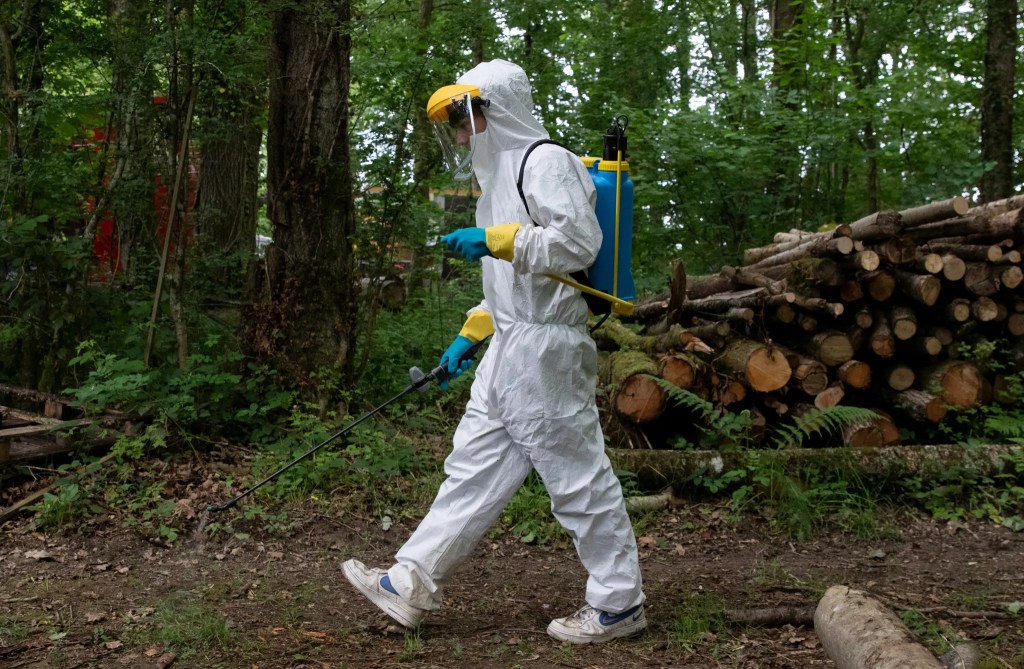
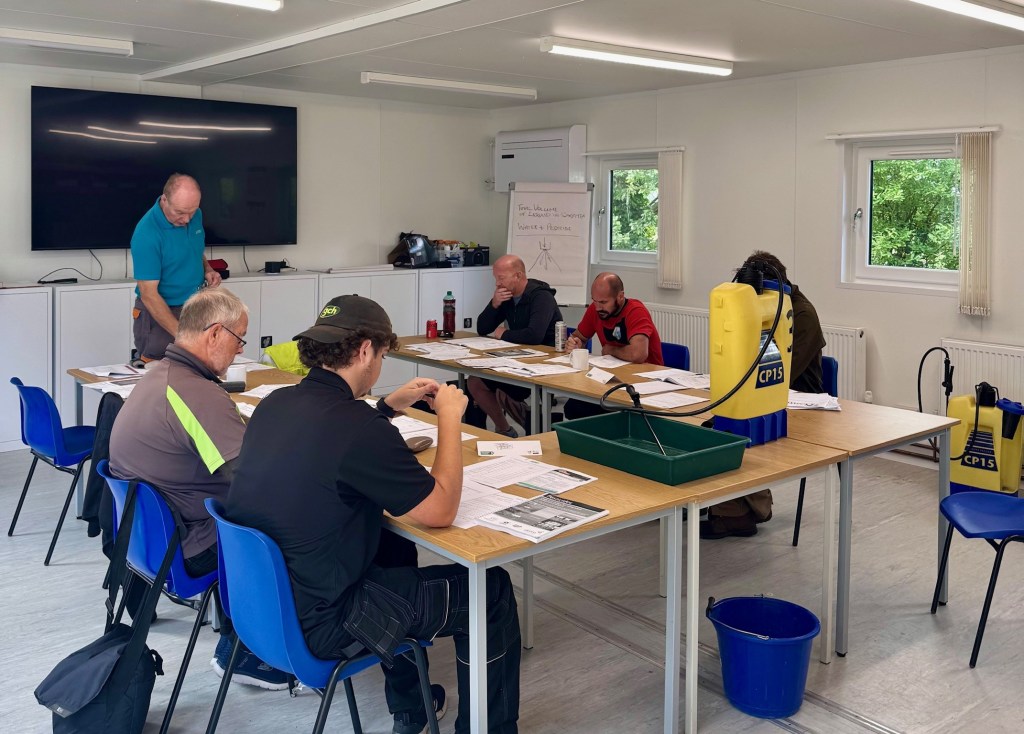
    On 24/03/2026 Apprentice Greenkeeper Adam Giles attended SRUC Craibstone Campus to attend a PA6a hand held applicators sprayer training course.

    Course Description

    This course prepares Adam to take the PA6a practical assessment which, combined with a PA1 unit, qualifies the operator in the legislative qualification Certificate of Competence in the Safe Use of Pesticides.

    Course Content
    Legislation
    Environmental safety
    Label information
    Nozzles and spray quality
    Types of nozzles
    Preparation of knapsack for use
    Calibration
    Site work
    Cleaning and decontamination of the applicator
    Store and transport pesticides safely.

  • Staff Training – Safe Use Of Pesticides Pa1

    On 20/03/2026 Apprentice Greenkeeper Adam Giles successfully passed the the PA1, safe use of pesticides spraying certificate. This certificate and training is useful on a golf course because it’s the foundational qualification required to legally and safely handle pesticide application equipment in the UK.

    This course prepared Adam to take the PA6 practical assessment which, combined with a PA1 unit, qualifies him in the legislative qualification Certificate of Competence in the Safe Use of Pesticides.

    The PA1 Foundation Module covers the principles behind using pesticides, herbicides, fungicides, and related turf-management chemicals.

    On a golf course, that matters for several reasons:

    • Legal compliance
      UK regulations require anyone using professional pesticide products to be properly trained. PA1 is the first step before practical spraying modules like PA2 or PA6.
    • Turf quality and playability
      Golf greens, tees, and fairways need consistent turf health. Proper chemical application helps control:
      • weeds
      • fungal diseases
      • moss
      • insect pests
    • Environmental protection
      Golf courses often sit near ponds, streams, woodland, or protected habitats. PA1 teaches:
      • safe chemical storage
      • spill prevention
      • protecting watercourses
      • reducing spray drift
    • Health and safety
      You learn correct handling of chemicals, PPE use, calibration awareness, and emergency procedures, reducing risk to staff and golfers.
    • Career progression in greenkeeping
      Many golf clubs expect greenkeepers to hold spraying qualifications, and having PA1 can:
      • improve employability
      • increase responsibility
      • support promotion into senior greenkeeping or course-management roles
    • Gateway qualification
      PA1 alone is theory-based. To actually apply pesticides, you usually combine it with practical modules such as:
      • PA2 for tractor sprayers
      • PA6 for knapsack or pedestrian sprayers

    For golf course work, PA1 + PA6 is a very common combination because many treatments are applied around greens, bunkers, paths, and many other areas using hand-held equipment.

  • Staff Training – 3 Day Lantra certified Excavator (Tracked)Course

    Senior Greenkeeper Owen Mackay recently attended a 3-day Lantra certified training course to gain the skills and knowledge to successfully operate 360° Excavator (Tracked) below 10 tonnes. The course was held at Ringlink Services Scotland, Laurencekirk from the 4th – 6th March 2026.

    The training included both classroom, practical demonstrations and a final assessment. Owen was attending the course to give him the knowledge and confidence to operate the machine safely and .

    After attending the certified training course, Owen will now be able to:

    • Describe the key requirements of health, safety and environmental legislation
    • Interpret and comply with drawings, specifications, schedules, risk assessments and
      manufacturer’s operator’s manuals (MOM) related to the plant or machinery operations
      and the work to be carried out
    • Identify the hazards associated with plant or machinery operations and put the
      appropriate control measures in place
    • Identify and explain the purpose of machine components and operator controls
    • Conduct all operational and pre-start checks
    • Prepare the excavator for site and highway travel
    • Drive the excavator safely over varying types of terrain
    • Operate the excavator safely in restricted spaces
    • Prepare the machine and bucket to excavate
    • Demonstrate how to attach and remove different types of buckets and ancillaries safely
    • Select the appropriate techniques to perform essential tasks
    • Operate plant and machinery to excavate ground and loose materials to given work
      instructions
    • Perform excavation activities in a variety of soil types
    • Demonstrate how to grade, spread and level different
      types of material
    • Demonstrate how to lift basic suspended loads with the
      excavator in set configuration(s)
    • Shut down and secure plant or machinery
    • Describe the procedures used for loading and unloading excavators when transported on
      a trailer.

    Upon returning from the course, Owen will now be able to apply these skills to help ensure safer operations, better efficiency, and a more professional approach to excavator work on site here at Royal Aberdeen Golf Club.