Tag: golf course

  • Balgownie – Autumn Greens Maintenance 2025

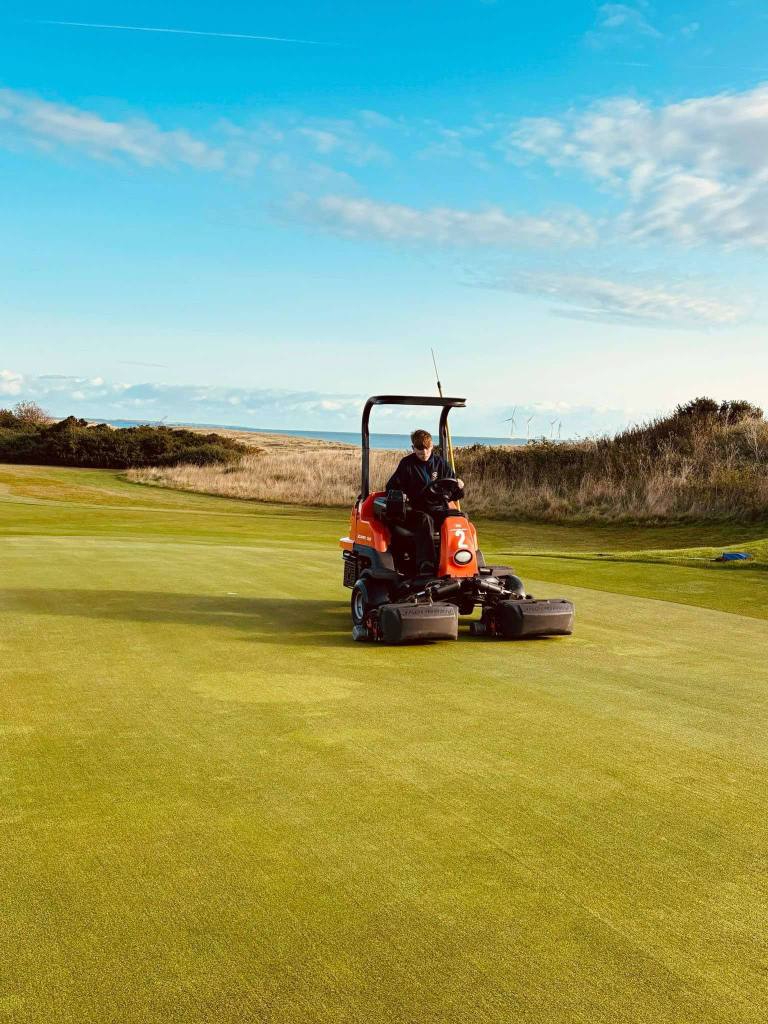
    Over the last 20 Months we have worked hard to reduce Organic matter levels within our soil profile in order to give the perfect environment for fine links grasses to thrive. Having applied over 220 tonnes of sand to the greens already in 2025 we felt at this point our focus turns to a sustained overseeding programme aimed at increasing the content of fine leaved grasses within the grass sward.

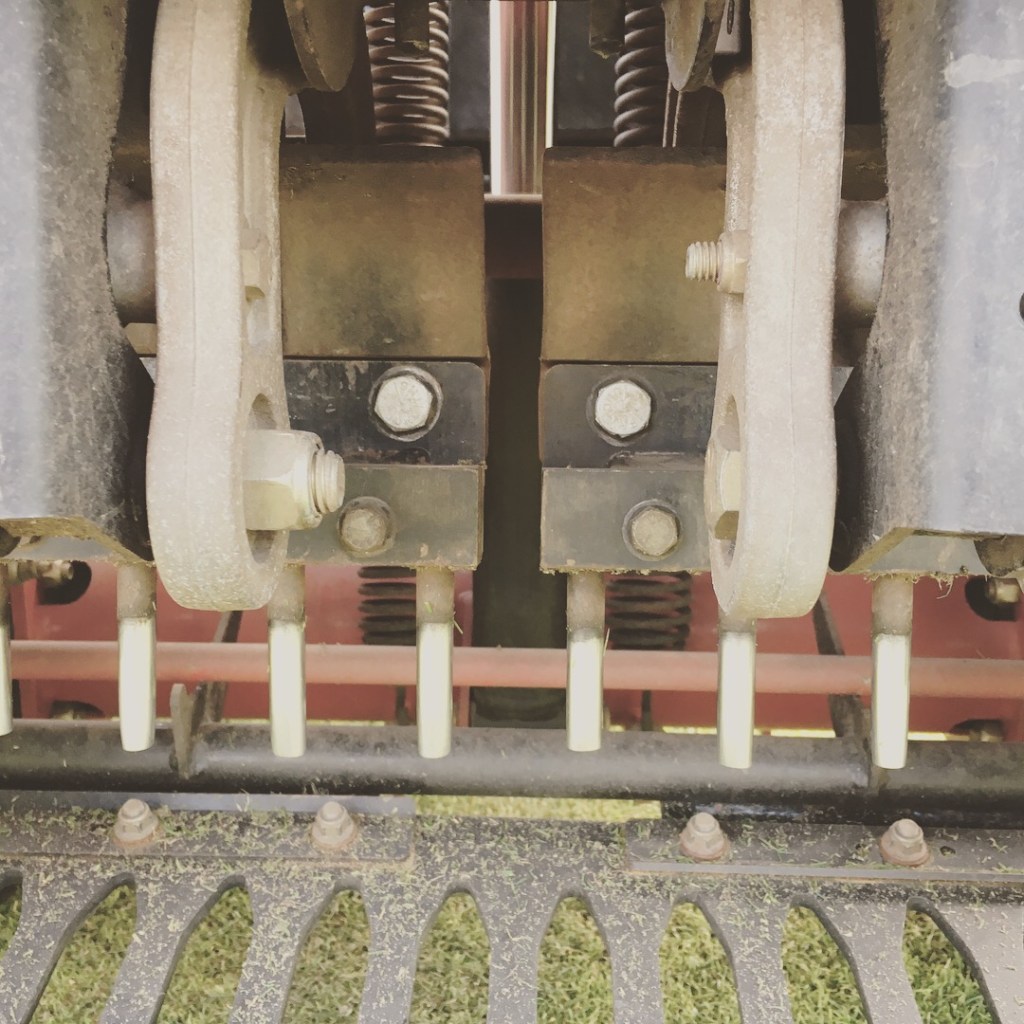
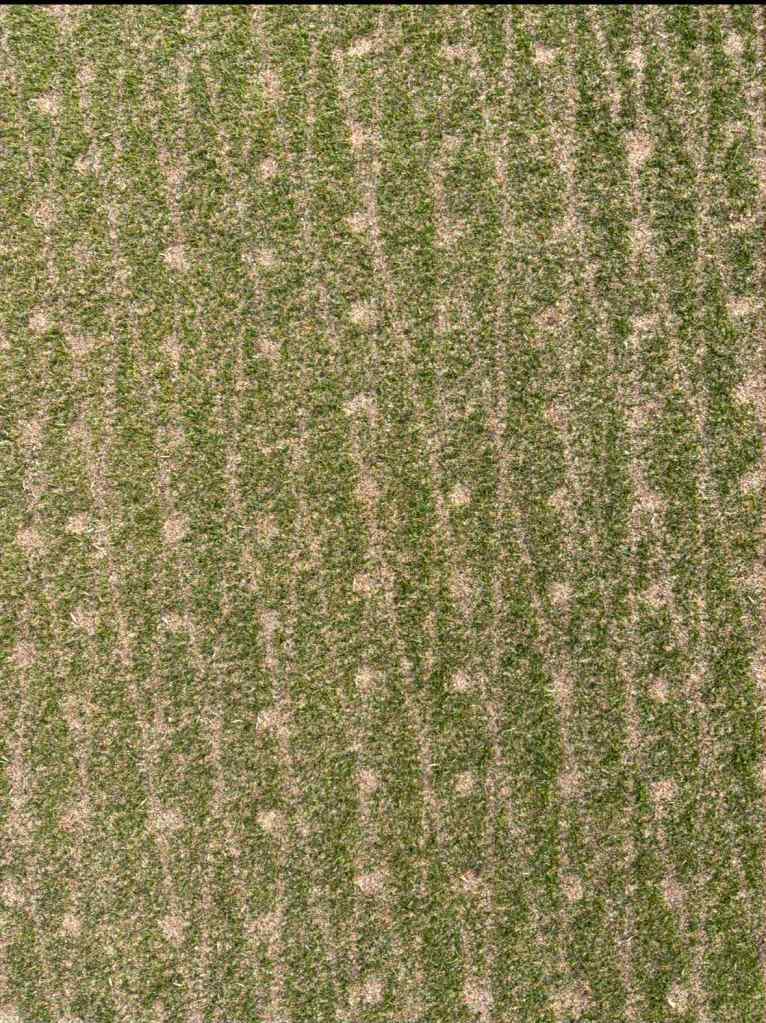
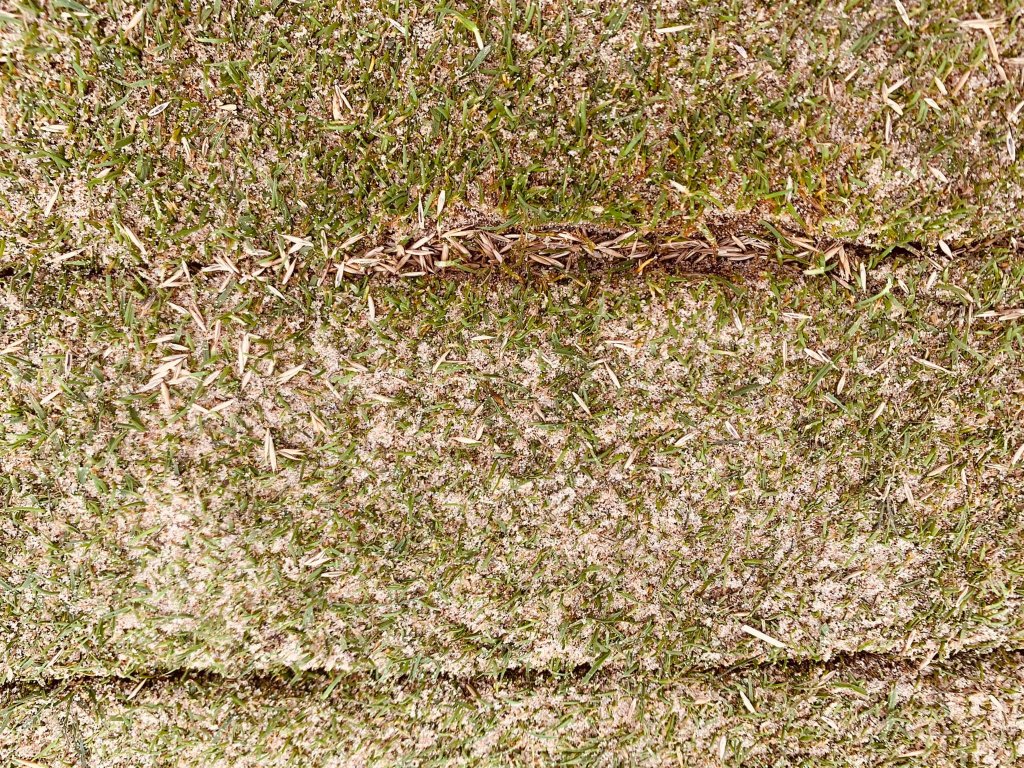
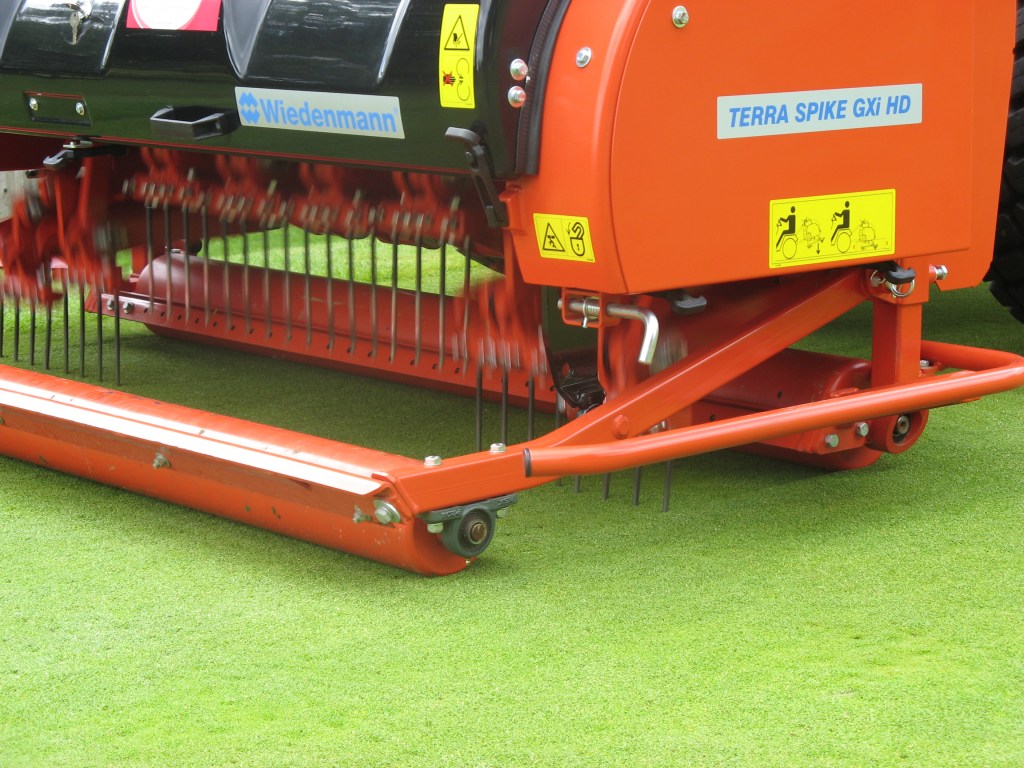
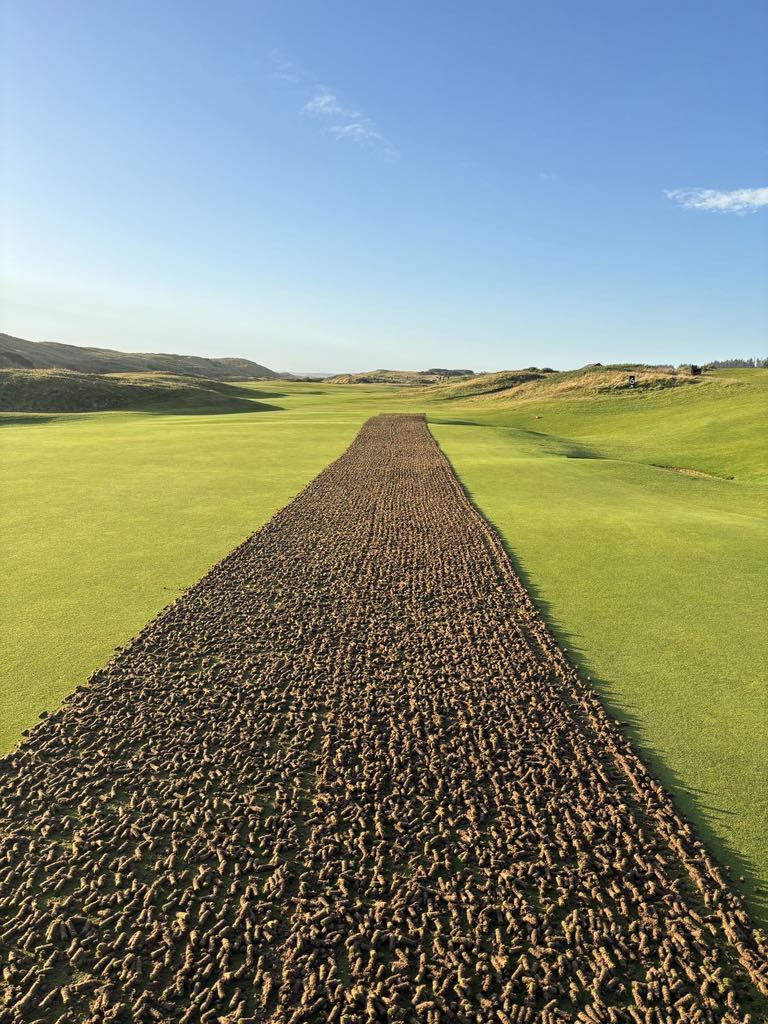
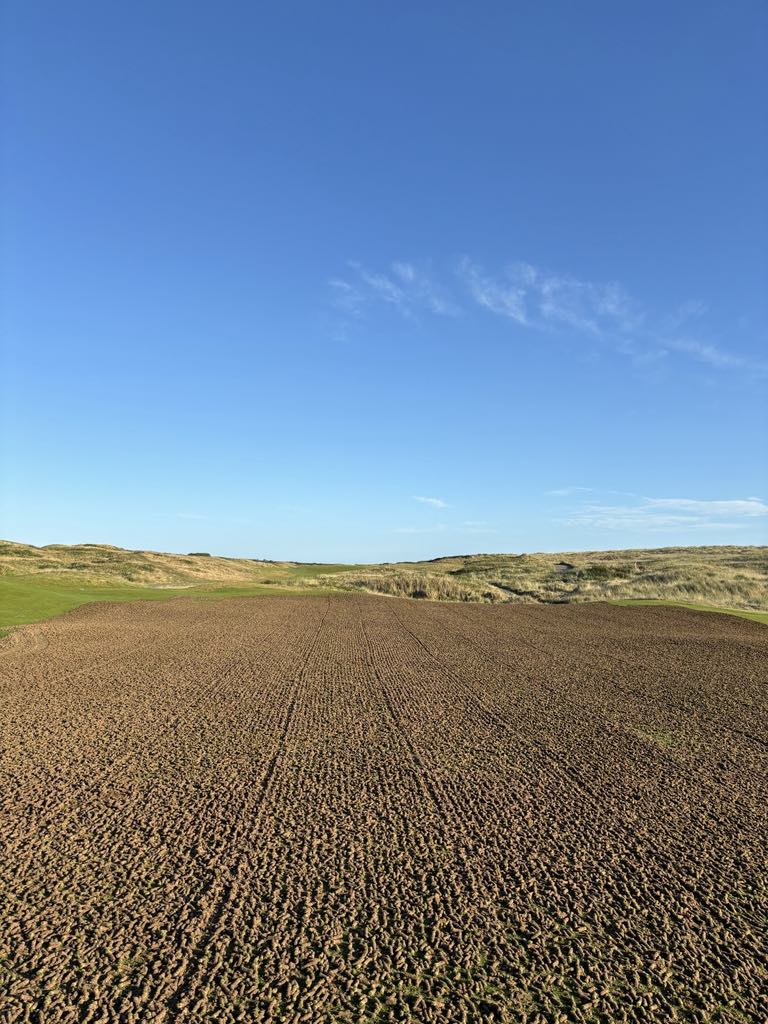
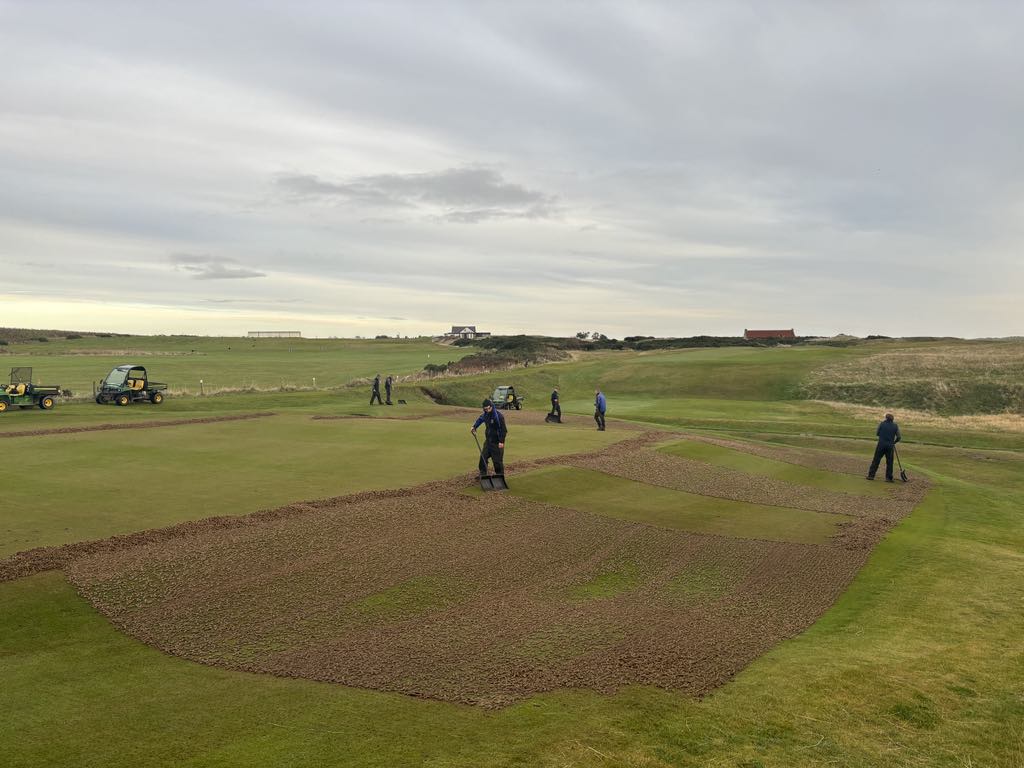
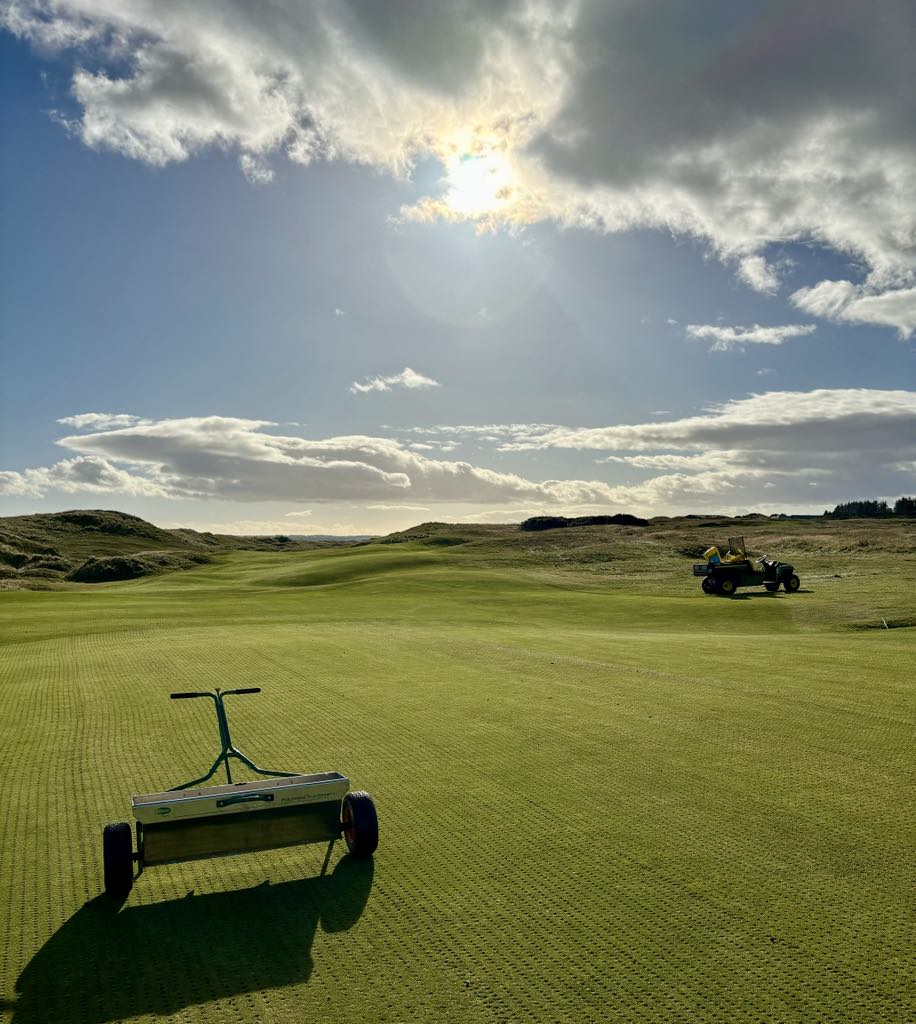
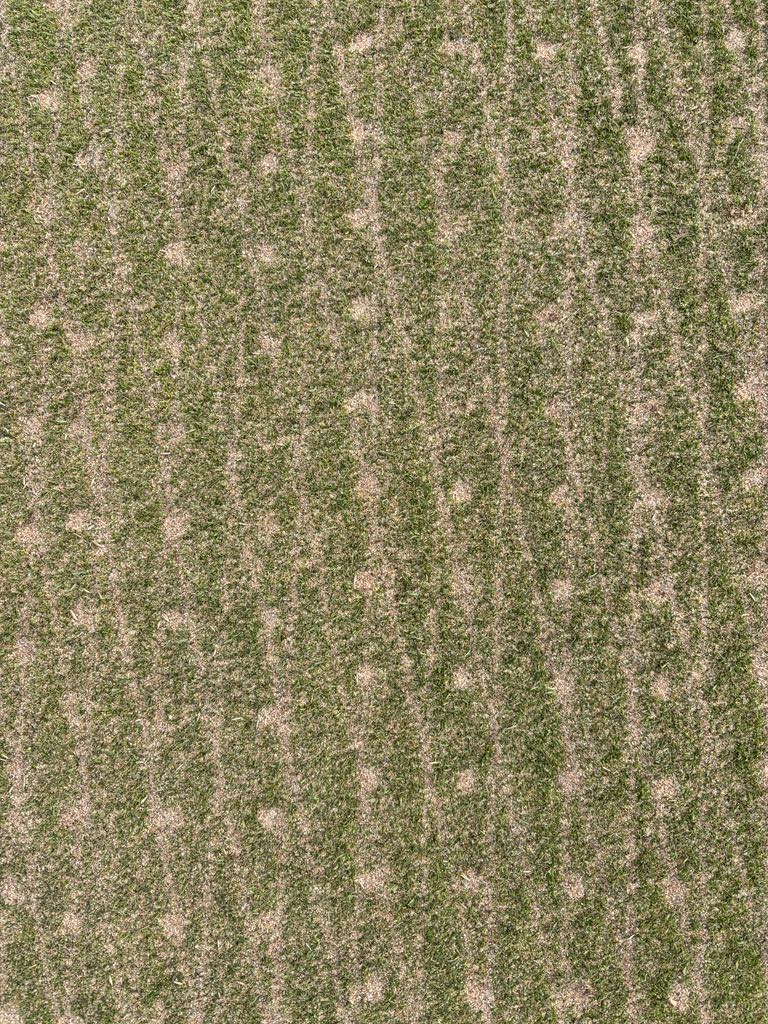
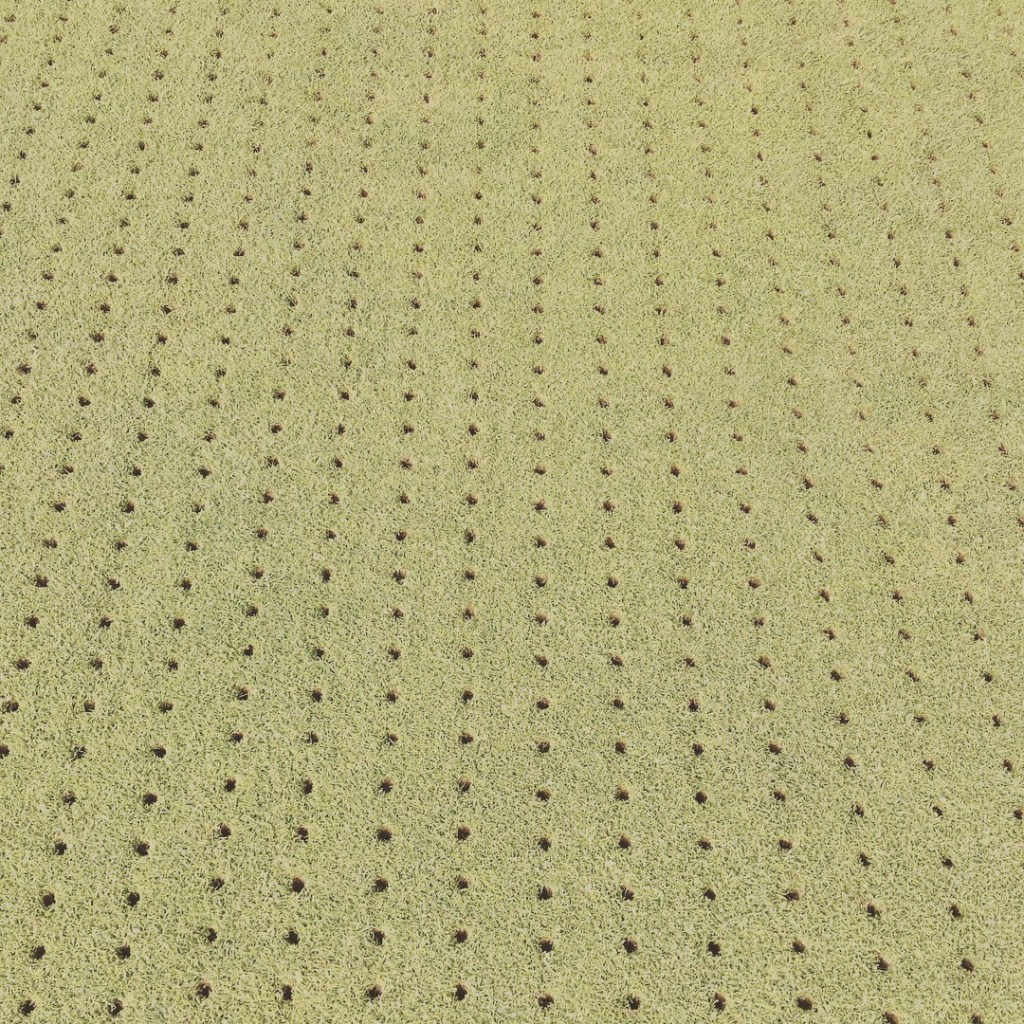
    During the 3 day course closure from 20th -23rd October we aim to deep aerate our greens and approaches using our Wiedenmann GXi8 fitted with 12mm solid tines, working to a depth of 195mm. This will be followed up by running our TORO Procore 648 across the greens to create as many 12mm holes as possible at a depth of 15mm. A process called “Pot Seeding”. A drop spreader will be used to apply Barenbrug Fescue seed before we work any excess seed into the holes using dew switches. We also intend to disc seed the surfaces using our VREDO Super Compact Disc Seeder. The Vredo places seed in a V-shaped slit at a depth of 10mm and spacings of 35mm, directly in contact with the soil for maximum germination rates.

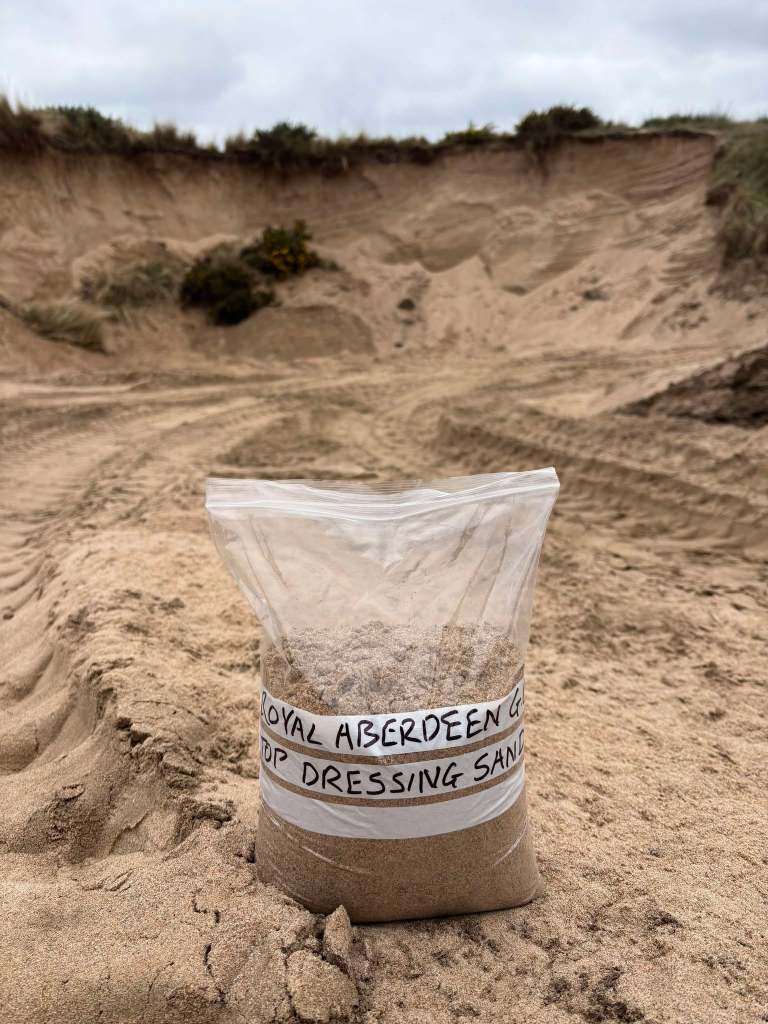
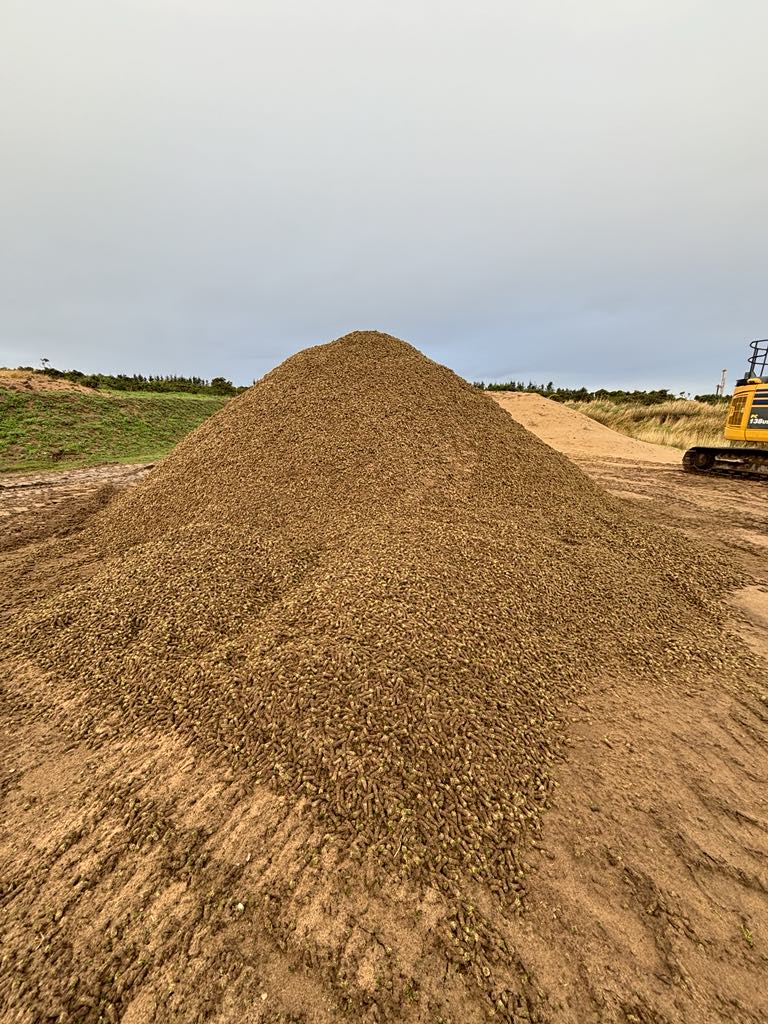
    Following the mechanical aeration and overseeding processes, It is our intention to apply a further 40 Tonnes of our indigenous dune sand to surfaces before we use a Sweep and fill brush to cover the seed within the holes, provide the seeds with the correct growing medium and some protection from the elements. Providing the soil temperatures remain above 6 degrees the seed should germinate within the next 3 weeks, this is due to the slightly cooler conditions forecast at this time of year.

    The surfaces will be rolled using our RB70 Tru Turf rollers to restore smoothness and trueness across the site.

    Fescue and bent are the most appropriate species to links sites across the UK and with adequate management will provide characteristics that are typical of links golf here at Royal Aberdeen. The practice of overseeding is a vital aspect of what we are trying to achieve and will now remain part of our annual maintenance at least twice a year.

    Although a little disruptive for a short period  please be patient as we attempt to change the botanical composition of the sward to a more desired species and in turn finer links like surfaces all year round.

  • Winter Improvement Programme 2025/26 – Balgownie Links

    Hole 1

    Reconstruction of left-hand fairway bunker. Add new revetted face and replace surrounding turf

    Reconstruction of both greenside bunkers. Add new revetted face and replace surrounding turf

    Hole 2

    Increase size of Green tee and turf to allow more tee space and improved wear tolerance.

    Hole 6

    Reconstruct left hand greenside bunker. Add new revetted face and replace surrounding turf

    Hole 7

    Reduce height of green tee to improve visibility of fairway and right hand fairway bunkers. Increase size of teeing area to allow winter play and increased wear tolerance.

    Hole 8

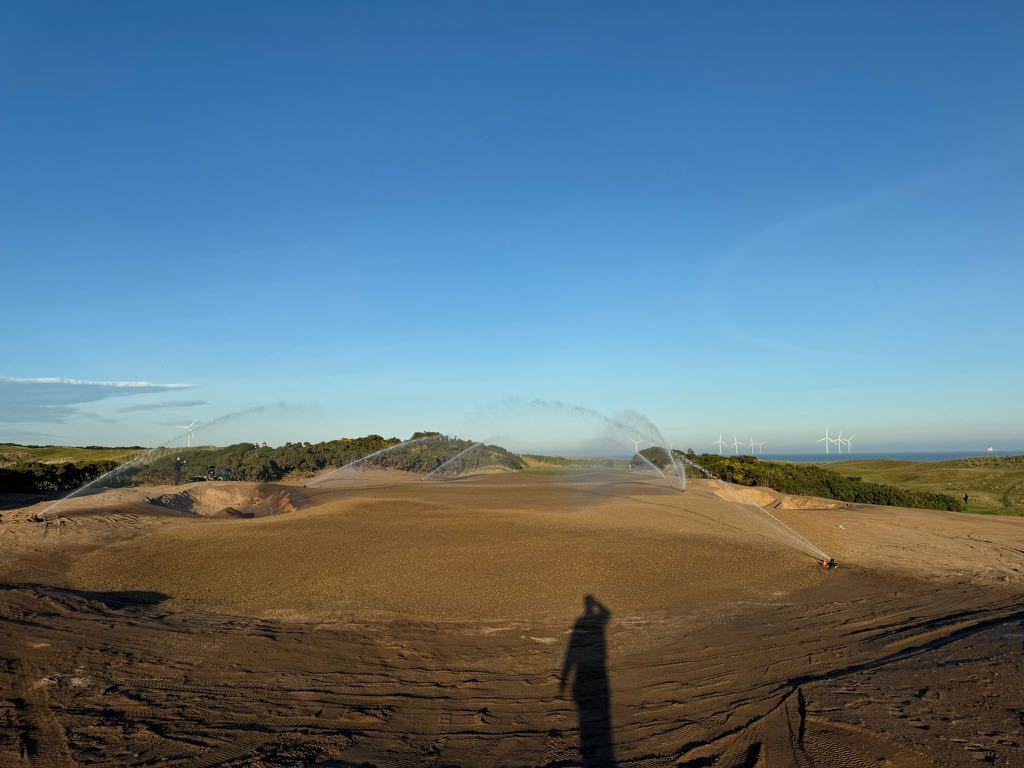
    Reconstruction of green and approach to include the revetment of all 10 bunkers and improved walk off to 9th tee. Remove existing turf, improve roortzone, re contour green and bunkering and re lay turf. 

    Hole 10

    Reconstruction of left-hand fairway bunker. Add new revetted face and replace surrounding turf

    Reconstruct 2 Right hand greenside bunkers. Add new revetted face and replace surrounding turf

    Hole 12

    Reconstruction of both Right and left-hand fairway bunkers @ 50 yards from green. Add new revetted face and replace surrounding turf

    Hole 13

    Reconstruction of Right-hand greenside bunker. Add new revetted face and replace surrounding turf

    Hole 14

    Reconstruction of Right-hand greenside bunker. Add new revetted face and replace surrounding turf

    Hole 15

    Reconstruction of both yellow/white and red tees. The tees will be raised and new rootzone added to provide a drier links like surface and a better view of hole/less intimidating tee shot. Reduce mounding short of road to give better visibility of the fairway and north sea/ city backdrop from the tee. Improve pathway from tee by removing gravel and introducing double width turf pathway. 

    Reconstruction of all 3 greenside bunkers. Add new revetted face and replace surrounding turf

    Hole 16

    Reconstruction of all 3 left-hand greenside bunkers. Add new revetted face and replace surrounding turf

    Hole 18

    Reconstruct 3 x greenside bunkers. Add new revetted face and replace surrounding turf.

    Improve pathway from tee to fairway by increasing width and removing out of character steep gravel path

    Turfing worn areas

    There a quite a few areas around the course which require re turfing due to drought conditions and wear throughout 2025.

    Gorse Management

    This will continue throughout the winter period using our own machinery and the hire of a machine suitable to work on steeper slopes. There was also fire damage to gorse which will need to be cleared to allow regeneration

  • Balgownie – Disease prevention

    Disease prevention and control is a major factor in the successful management of our fine turf surfaces here at Royal Aberdeen Golf Club. We utilise numerous cultural and chemical methods as part of integrated pest management (IPM) programme to reduce disease incidence and severity. Pathogens are disease causing agents that significantly affect the visual and playing qualities of our surfaces. While there are numerous fungal and bacterial pathogens in the UK the most common and damaging is Fusarium – Microdochium patch (Microdochium nivale).

    Fusarium is spread by wind, water, and by foot traffic and outbreaks are often seen during periods of mild cool wet weather and heavy dews.

    To help the plant naturally fight off this disease we applied an combination of Elevate Fe – a complexed liquid iron and sea nymph super concentrate – a liquid seaweed, at an application rate of 10l/ha .  These products are ideal for strengthening turf, minimising the effect of turf pathogens – rebuilding the natural suppression status of depleted soils and encouraging strong root systems through plant metabolic and microbial activity.

    Although the surfaces are a little greener than we would like after the application of these two products the surfaces are healthy and showing very little signs of disease activity.

  • Staff Training – BIGGA CPD Milestone Certificate

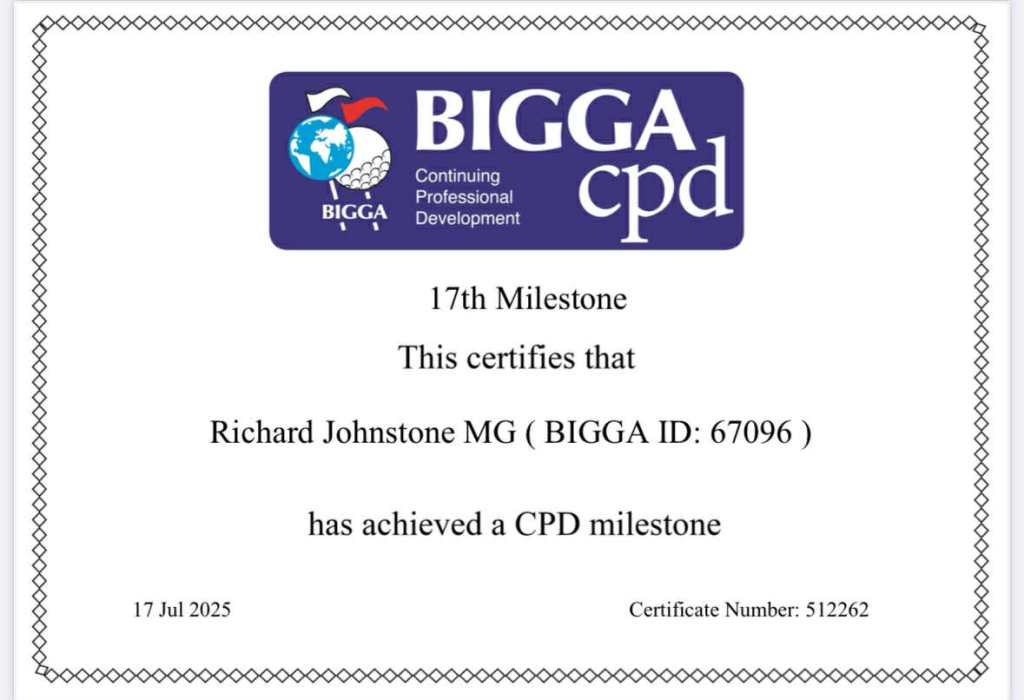
    On 17/07/2025 Course Manager Richard Johnstone was awarded with a 17th BIGGA CPD Milestone certificate in recognition of his continued education and training in 2025.

    The BIGGA CPD scheme is made up of members who are looking to improve their professional knowledge and competence within the industry while developing skills and personal qualities necessary for the execution of technical duties throughout their working life

    “No professional should stand still – we are learning – all the time”

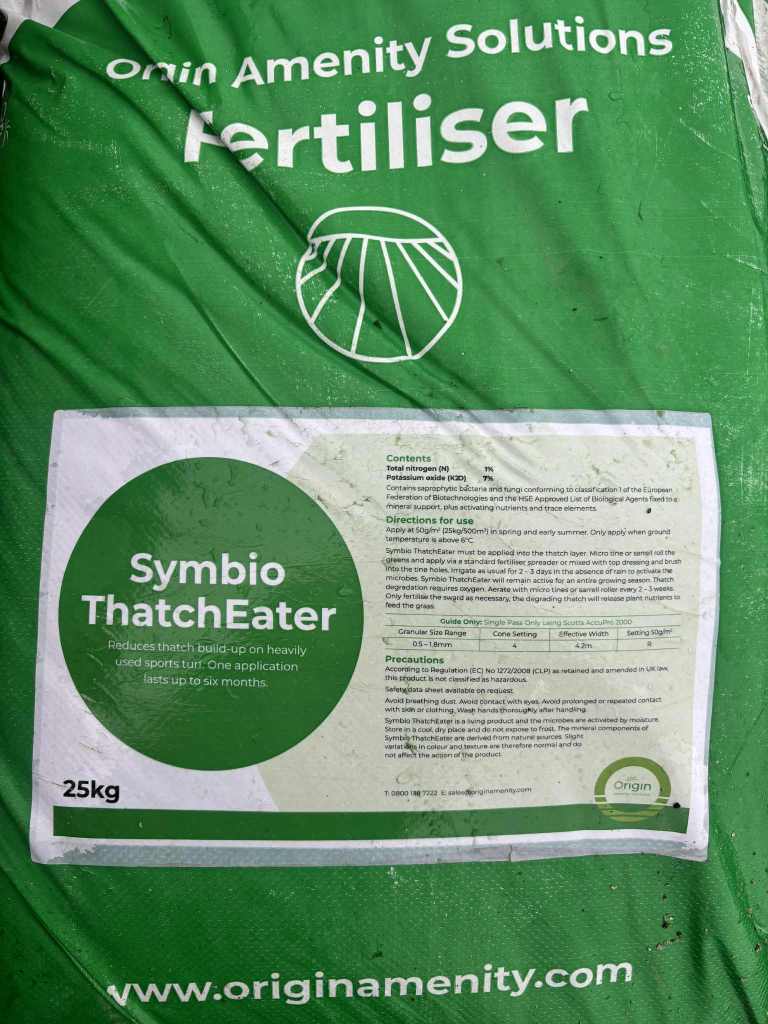
  • Balgownie – Application of Symbio Thatcheater

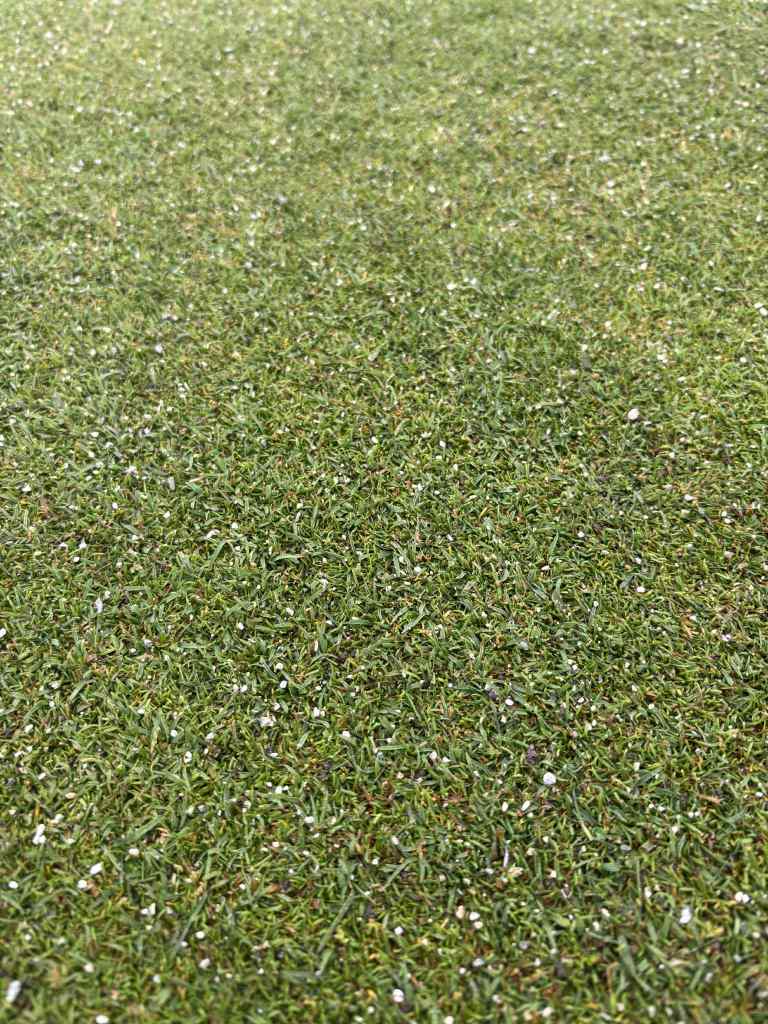
    Due to the High Organic matter content within the profile of our surfaces, we decided to apply a granular product called Thatch eater which is typically done to biologically manage and reduce thatch without the need for aggressive mechanical removal through the main playing season. The Thatcheater was applied directly after aeration was carried out so the product was incorporated into the soil profile. We have been working hard since Spring 2024 to get our Organic Matter levels back within target levels and this product added to work along side regular maintenance practices such as aeration, verticutting and sand topdressing.

    Below are some of the reasons we chose to apply Thatcheater:

    1. Thatch Reduction Without Disruption
      • Excess thatch (a dense layer of organic matter between the grass and soil) can hinder water infiltration, gas exchange, and root growth.
      • Thatch Eater contains beneficial microbes that naturally break down this organic layer without the need for aggressive scarification or hollow coring.
    2. Improved Rootzone Health
      • The microbial action helps convert dead organic material into humus, improving soil structure and nutrient retention.
      • Healthier soil biology promotes deeper rooting and more resilient turf.
    3. Enhanced Drainage and Surface Firmness
      • As thatch breaks down, water moves more freely through the soil profile, reducing the risk of disease and soft, spongy surfaces.
    4. Supports a Biological Management Program
      • Thatch Eater is often used as part of a biological or low-input turf management approach, reducing reliance on chemical fungicides and synthetic inputs.
    5. Reduced Risk of Disease
      • Thatch can harbor fungal pathogens and pests. Its breakdown reduces disease pressure, especially during humid or wet periods.
    6. Improved Playing Conditions
      • Firmer, smoother, faster greens with consistent ball roll—without major downtime from mechanical thatch removal.
  • Balgownie – Verti Cut Greens & Approaches

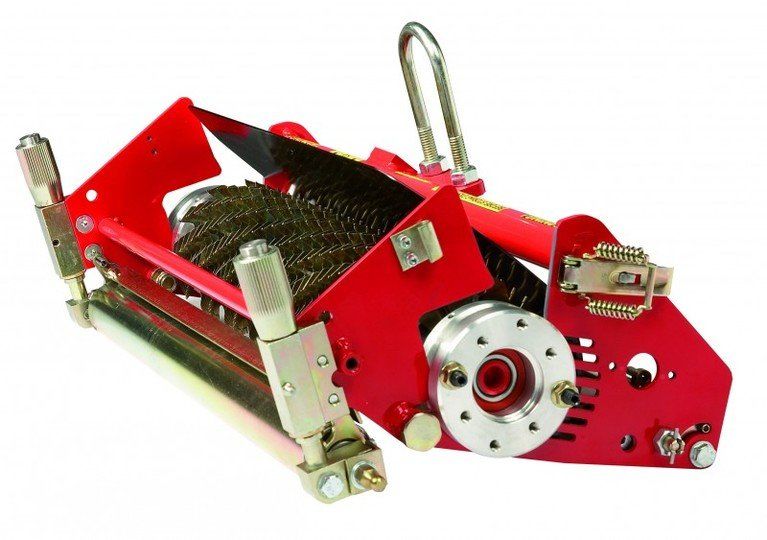
    On the 3rd July 2025 we took the opportunity to run the Greentek Thatch Away Supa System Verticutting Cassettes across the greens on approaches.

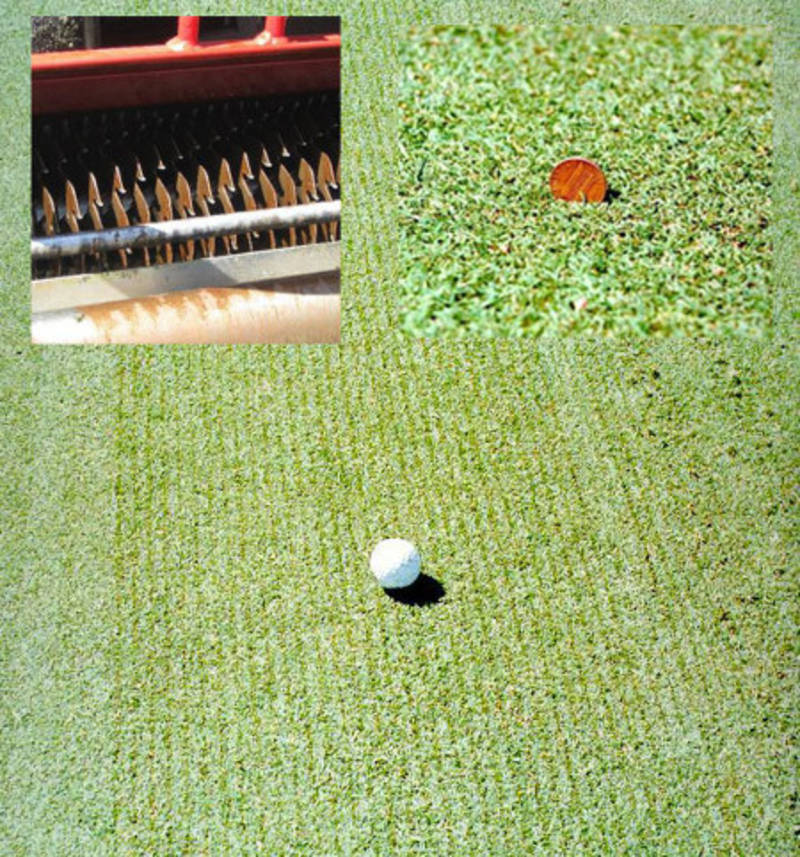
    Verti-cutting which is short for vertical mowing is an important turf maintenance practice used to improve the health and playability of the putting surfaces.Unlike regular mowing, which cuts horizontally, verti-cutting slices into the canopy to a depth range of 0-4mm.

    The main reasons for carrying out this practice are to remove and help control thatch, allow better air, water and nutrient movement, promote upright grass growth, giving the ball a smoother and faster roll, helps stimulate lateral tillering and new shoots, resulting in denser, healthier turf, helps reduce grain by cutting lateral stems and forcing vertical growth and by opening the turf canopy, it improves light, air, and fertiliser penetration into the soil.

  • Rainfall – May 2025 Update

    Rainfall is a key element of Scottish weather and it dictates how and when the golf course maintenance can be carried out here at Royal Aberdeen Golf Club.


    This year has been an incredibly difficult year with a prolonged winter and cooler temperatures lasting until April, meaning growth was slow at the start of the season. The  freezing temperatures were followed by a prolonged dry spell which meant our irrigation system was being used on a daily basis throughout early Spring. 

     Aberdeen has an average annual rainfall of around 866 mm whereas some areas in Scotland receive about 3,000 mm of precipitation per year.

    As you can see from the stats below it has been a considerably dry year on the links,  we are currently around 130mm below the average precipitation rates for Aberdeen and in comparison to last years data we have had around 263mm less to date.

    The monthly data is slightly misleading whereas the daily chart shows a much different story with long spells where we ran into weeks without any precipitation at all.

    The monthly rainfall totals for 2025 are as follows;

    January 55.6mm
    February 26.2mm
    March 35.2mm
    April 9.4mm
    May 2mm (as of 15/05/2025)

    Total precipitation to date = 126mm

  • Balgownie – ETL Soil Samples

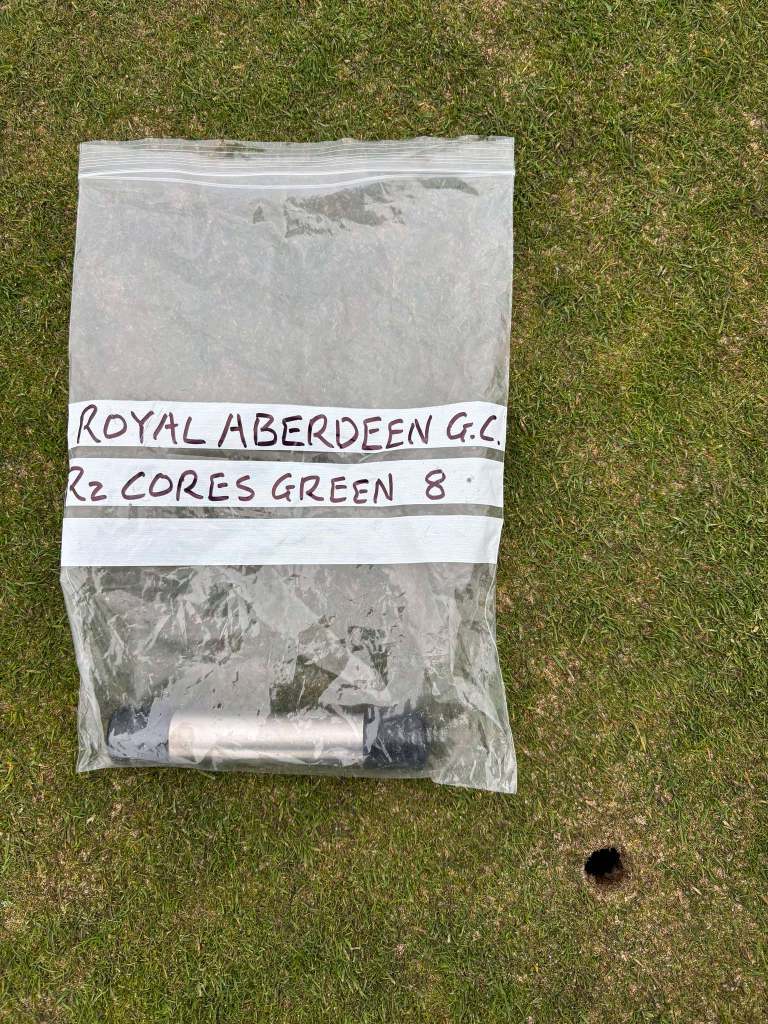
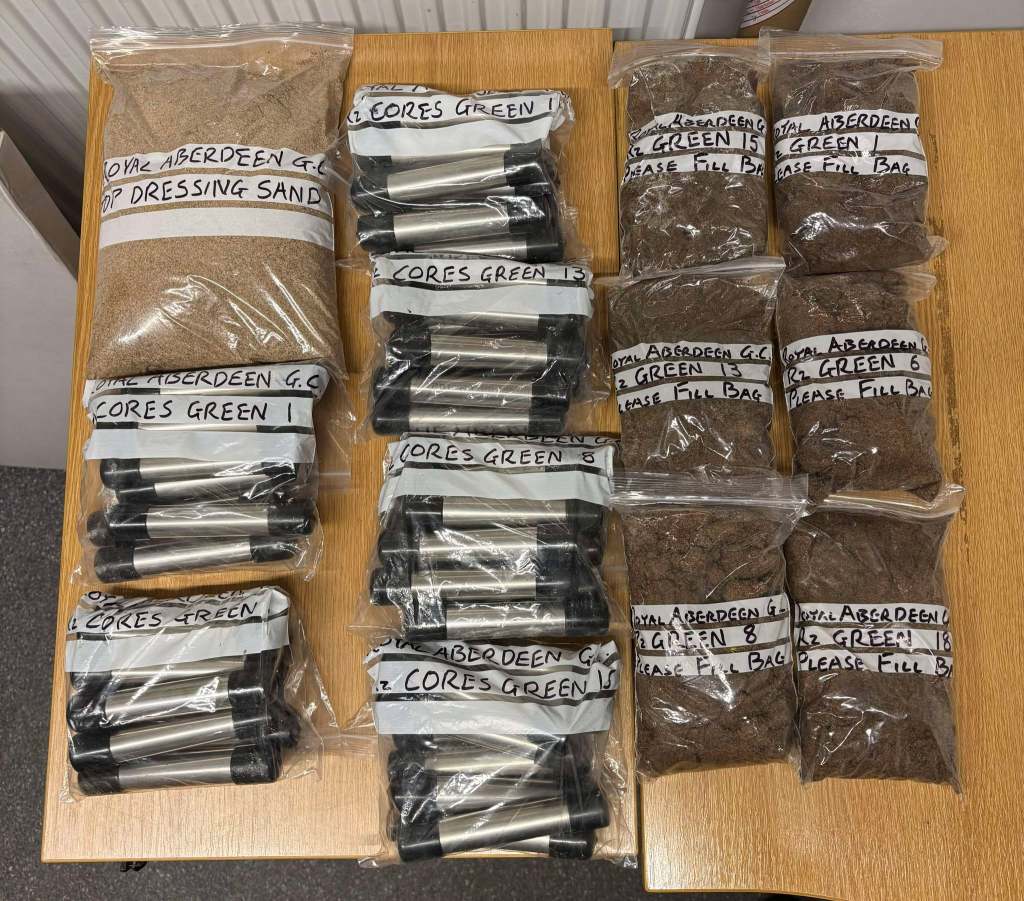
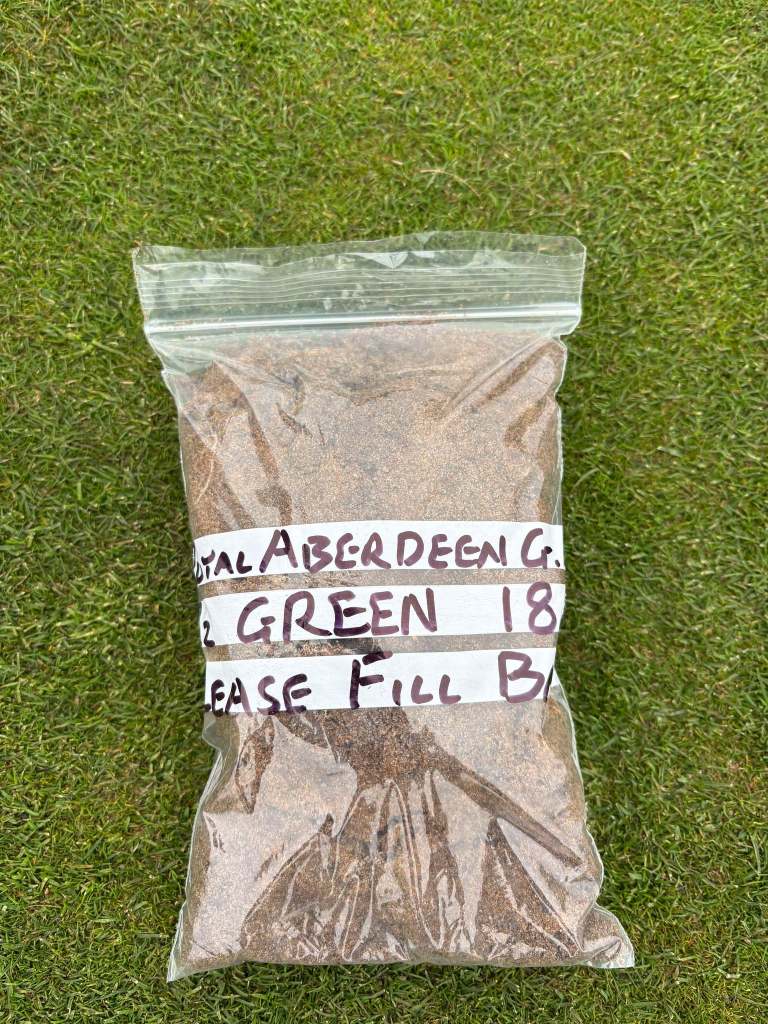
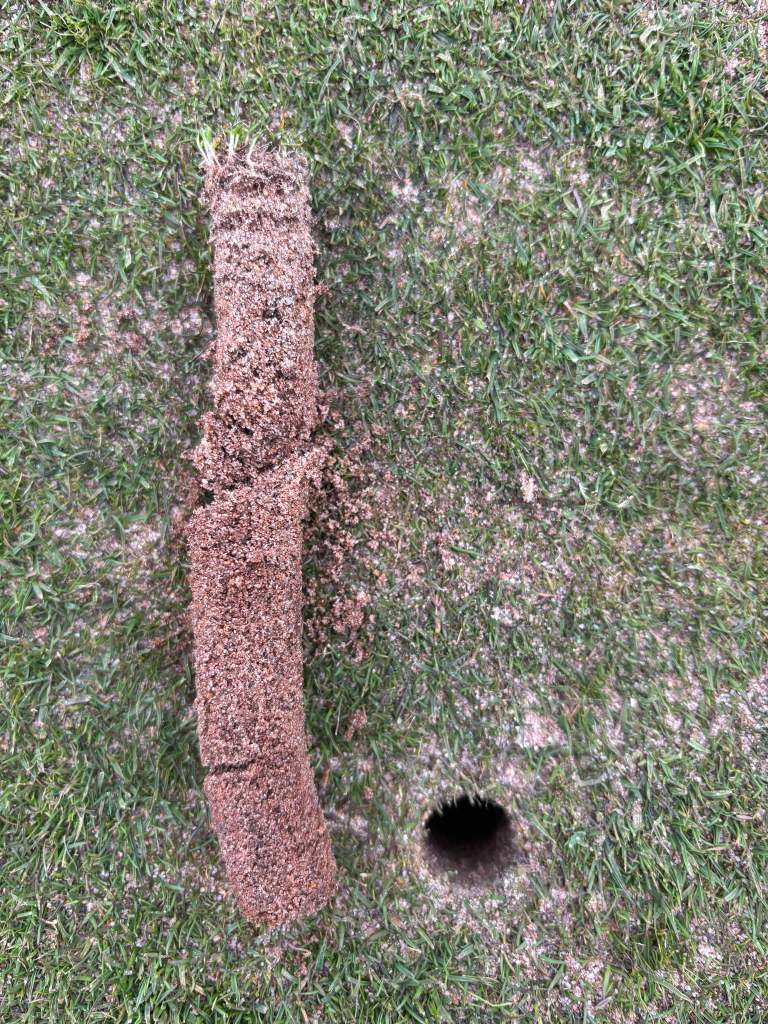
    Soil samples have been taken from 6 of our indicator greens to establish a detailed analysis of our soil profile and provide us with information to plan the management and development of our surfaces. We carried out the same process in early 2024 to identify a benchmark or ‘starting point’ and will continue on a regular basis to help us understand year on year why surfaces are performing as they are.

    The year-round performance of our golf greens is pivotal to the success of our golf club.

    The soil testing service ETL provides will cover aspects such as;

    Organic Matter Content – organic matter levels are highly influential in determining the quality of our soil structure, water infiltration rates, nutrient and water holding capacities of our turf. The organic matter content in our soil profile will be measured from these core samples we are providing them with. This will give a percentage of organic matter concentration at four depths within our soil’s profile. This information gives us the levels present in our playing surface and whether there is a need to reduce organic matter to enhance the playing qualities of our greens.

    Nutrient Testing – this will Provide us with an additional insight into the condition of our sports turf and will identify the probable causes of any turf stress. These tests will indicate problem areas that are not yet apparent in the turf and can help save us time and money by identifying and dealing with these before they cause any damage to our surfaces.

    This advanced service will provide the Agronomy team with detailed data and analysis of the performance of our surfaces, which feeds directly into our management and maintenance strategies and plans⛳️🧪🌡🌱

  • Staff Training – Emergency First Aid at Work

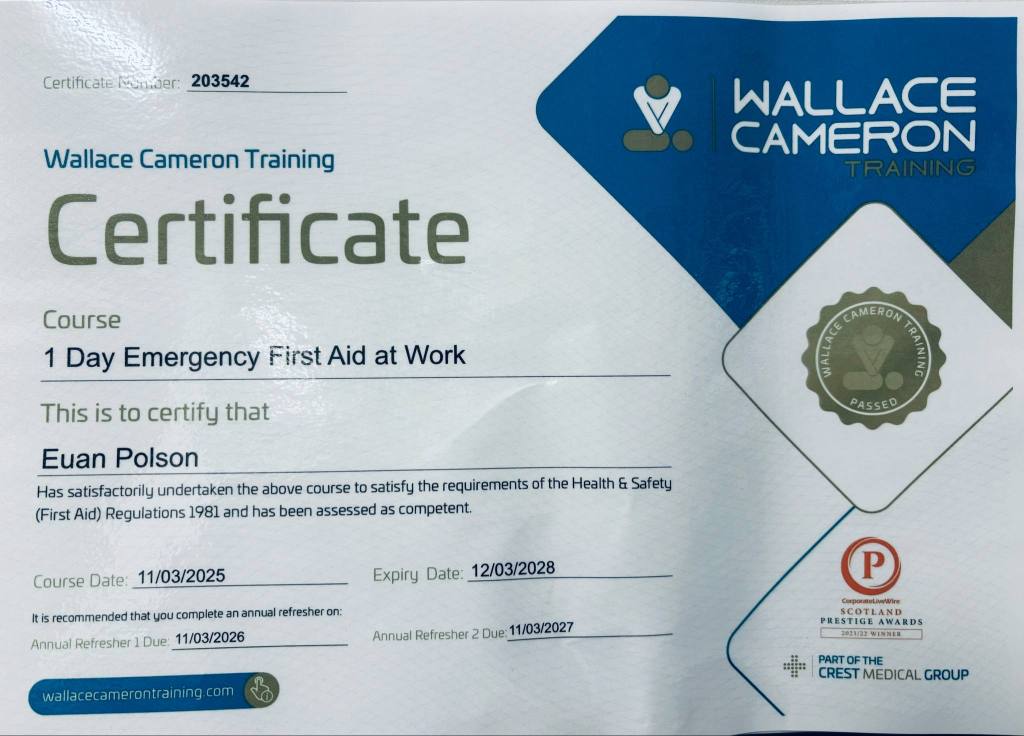
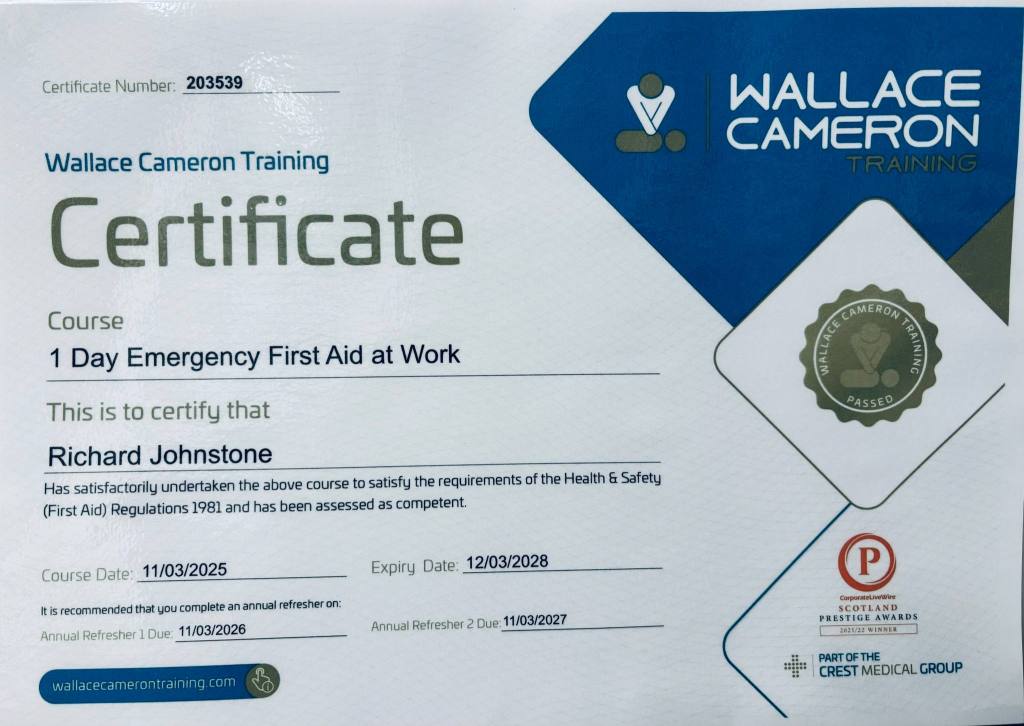
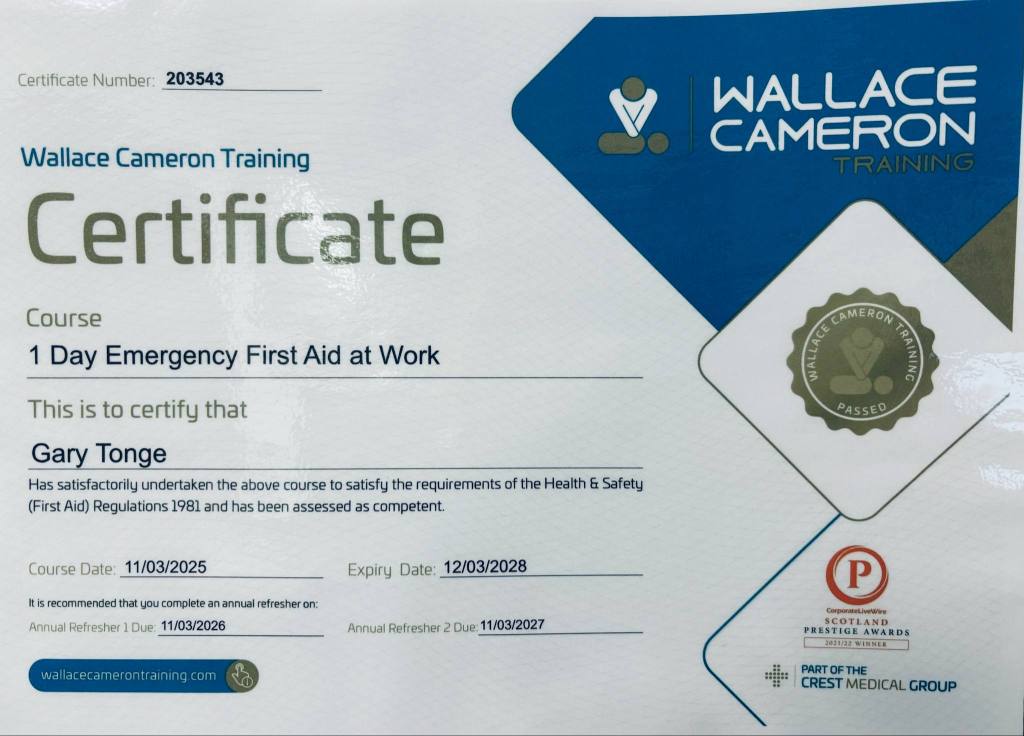
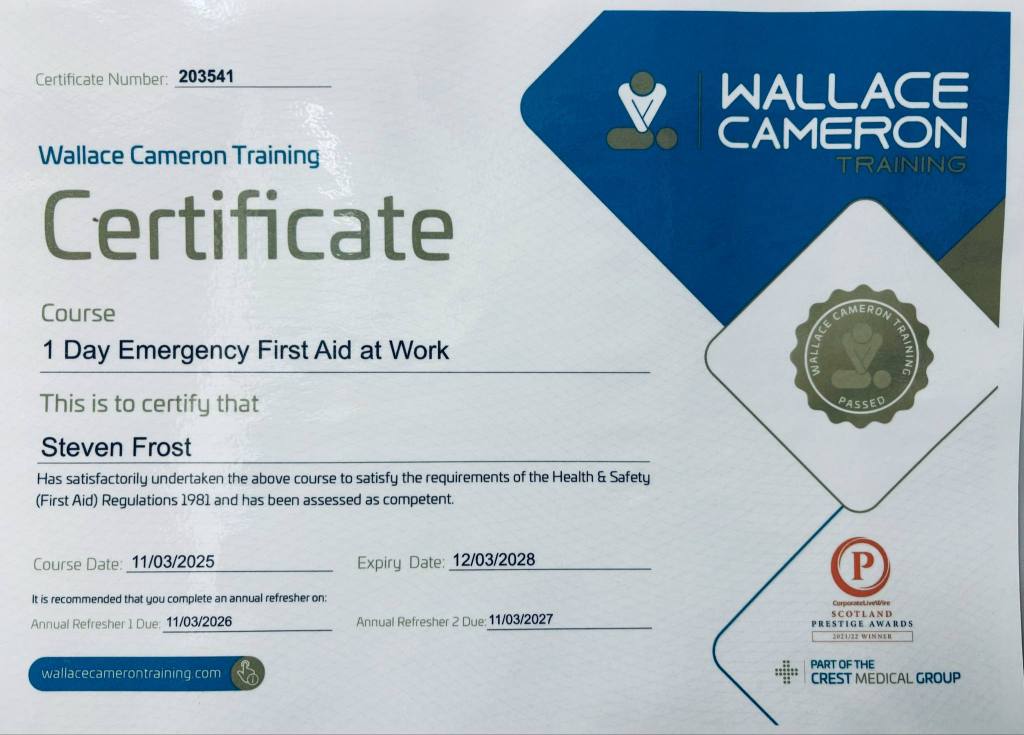
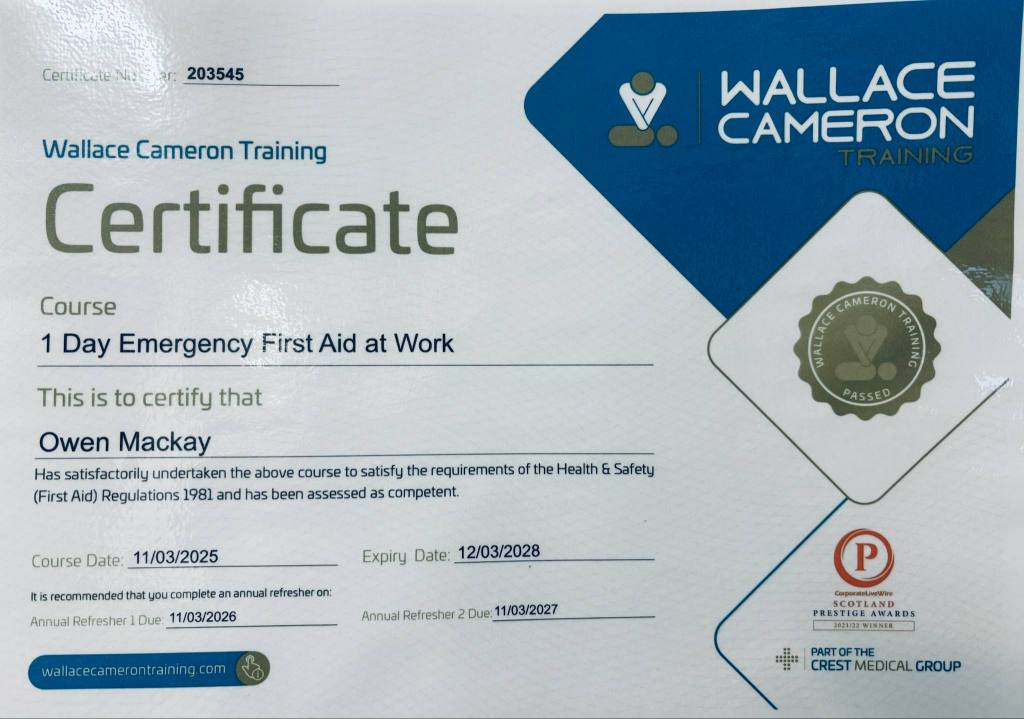
    On the 11th March 2025 Course Manager Richard Johnstone, Deputy Course Manager Steve Frost, First Assistant Greenkeeper Euan Polson, Senior Greenkeeper Owen Mackay and Golf Course Mechanic Gary Tonge attended a 1-day emergency first aid at work course held at Royal Aberdeen Golf Club by Wallace Cameron Training.

    Having a first aid qualification will not only benefit Royal Aberdeen but will also add to the teams continued personal development. With 10 employees operating heavy machinery on a daily basis, chemicals or hazardous materials it presents a greater chance of injury and is deemed a high risk environment, so it is essential we have staff fully trained to administer first aid is needed.

    First aid training is an essential part of any workplace that should not be overlooked. Not only does it ensure that any emergencies will be handled with care, but it is a legal requirement that can be costly if neglected and it is important to instill confidence in employees that they are well looked after.

    This covers most of the topics covered on the 1 -day course and the skills and knowledge gained will allow the team to be able to deal with:

    Action at an emergency
    Poisoning
    Burns and scalds
    Cardiopulmonary Resuscitation (C.P.R.)
    Use of an AED (Automated External Defibrillator)
    Wounds and Bleeding
    Anaphylactic shock
    Neck and Back injuries
    Soft tissue injuries
    Unconscious casualties
    Treatment of Shock
    Recognise Major illness including Heart Attack, Stroke, Diabetes, epilepsy, asthma etc.
    Head injuries
    HSE Legislation and requirements record keeping etc

  • Balgownie- Fairway Bunkers Reconstruction – 12th Hole

    As part of our ongoing winter maintenance projects we took the decision to reconstruct the two right hand fairway bunkers on hole twelve. The previous bunkers revetted faces had began to deteriorate, so it was essential that we reconstructed the bunker as part of our winter projects 2024/25 .

    The old bunker faces were removed and the new revetted face was built with turf from our turf nursery and the surrounding area has been turfed with fescue to match the surrounding area. Fresh sand has been added before the bunker was taken back into play for the start of the 2025 golf season.

  • Balgownie – Autumn Maintenance

     Our Annual Autumn maintenance took place between 21st – 23rd October 2024 and gave us the opportunity to Hollow Core the greens and surrounds . This practice was carried out to remove a large percentage of organic matter, relieve compaction, increase root development, improve drainage and provide the material to create a playing surface for our new contingency first green and approach. By removing the accumulated fibre it allows us to exchange the poorer soils to a better one through a straight sand topdressing helping to firm up all surfaces providing true links like conditions.

    We also took the decision to apply Chewings and slender creeping fescues which offers the best solution for year-round performance. A combination of a drop spreader and vredo disc seeder was used to apply the fescue seed before we worked any excess seed into the holes using  switches to cover the seed within the holes with our indigenous dune sand topdressing. This provided the seeds with the correct growing medium and some protection from the elements. We Overseeded with around 200kg of Fescue and the seed should germinate within the next month due to the slightly cooler conditions. To achieve maximum seed establishment and rapid surface recovery without creating a flush of growth that would negatively affect playing characteristics we applied a granular feed called C Complex 4-3-4+5CaO+3MgO . We chose this product as it has proven to be effective in aiding recovery while maintaining turf health and vigour without any negative effect on playability.

    Fescue is the most appropriate species to links sites across the UK and with adequate management will provide characteristics that are typical of links golf here at Royal Aberdeen. The practice of overseeding is a vital aspect of what we are trying to achieve at and will now remain part of our annual maintenance at least twice a year.

    The Maintenance procedures were carried out at this time of year when the air and soil temperatures are ideal allowing recovery times to be kept to a minimum. This short term disruption will give us long term benefits giving us firm and true surfaces all year round.
  • Staff Announcement – Apprentice Greenkeeper

    We are pleased to announce that Adam Giles has joined our highly skilled greenkeeping team as an Apprentice Greenkeeper.

    We felt that Adam’s qualifications, experience and personality meant he is the ideal candidate to fill the apprentice greenkeeper position and will play a key role in the progression of the golf course. Succession planning plays an important role at Royal Aberdeen as we develop new talent into experienced and capable employees that are prepared to assume new roles as they become available.

    On behalf of our management and members we would like to extend Adam a warm welcome and delighted to have him as part of our team.

  • Bunker Etiquette / Advice

    #1 – Locate the lowest spot around the edge of the bunker that is convenient to your ball try not to walk down a steep face possibly damaging the turf edge, and leaving deeper footprints.

    #2 – Carry the rake into the bunker if needed. Contrary to what some golfers believe, it is within the rules and can speed up play, be sure you do not allow the rake to touch or test the sand except when you drop it.
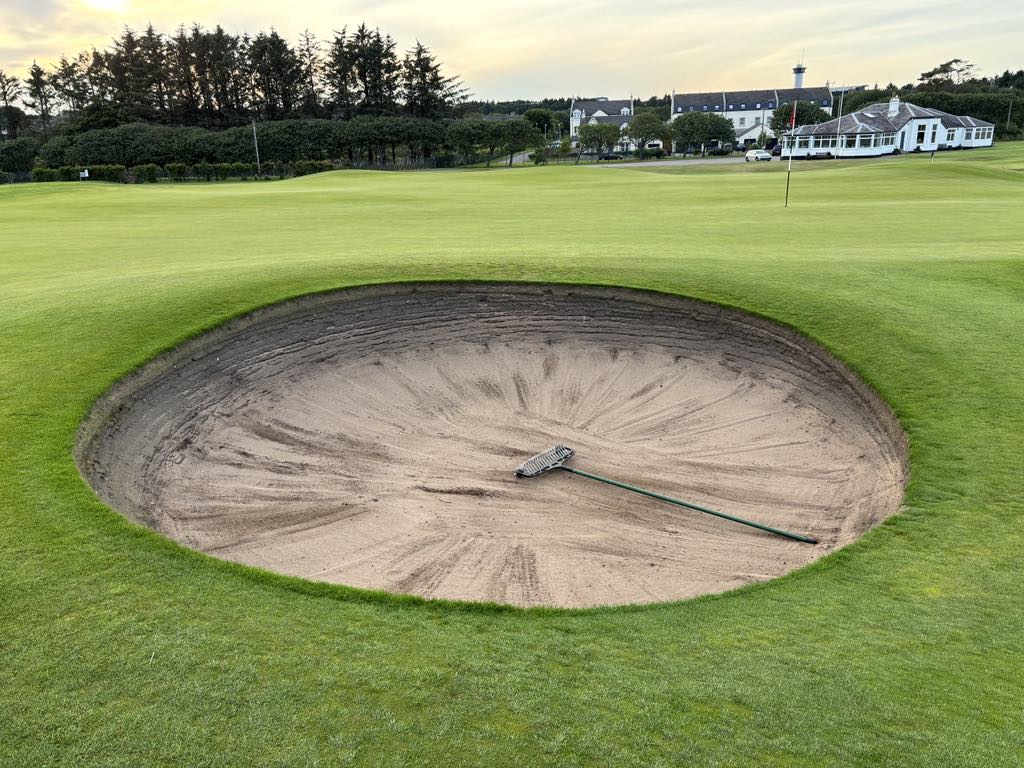
    #3 – Before playing the shot the rake should be dropped behind the area where you take your stance and not used to align the shot.

    #4 – Begin raking over the signs of play, to restore the surface without displacing too much sand by pushing the rake away from you a few times to spread the excess sand forward towards the face.

    #5 – Step out of the bunker and make a final few passes. The Rake Should Be Placed Inside the middle of the Bunker. This is normally a balls natural finishing position (especially in our small links pot bunkers) and if your ball hits it , you’re already in the bunker. We feel there is more likelihood of a ball being deflected into, or kept out of, a bunker if the rake is placed outside the bunker.

    If the sand was to be all raked back towards the entry point and rakes left around the edges it almost makes it impossible for the next person who lands in the bunker to escape.