Tag: golf

  • Microdochium Nivale

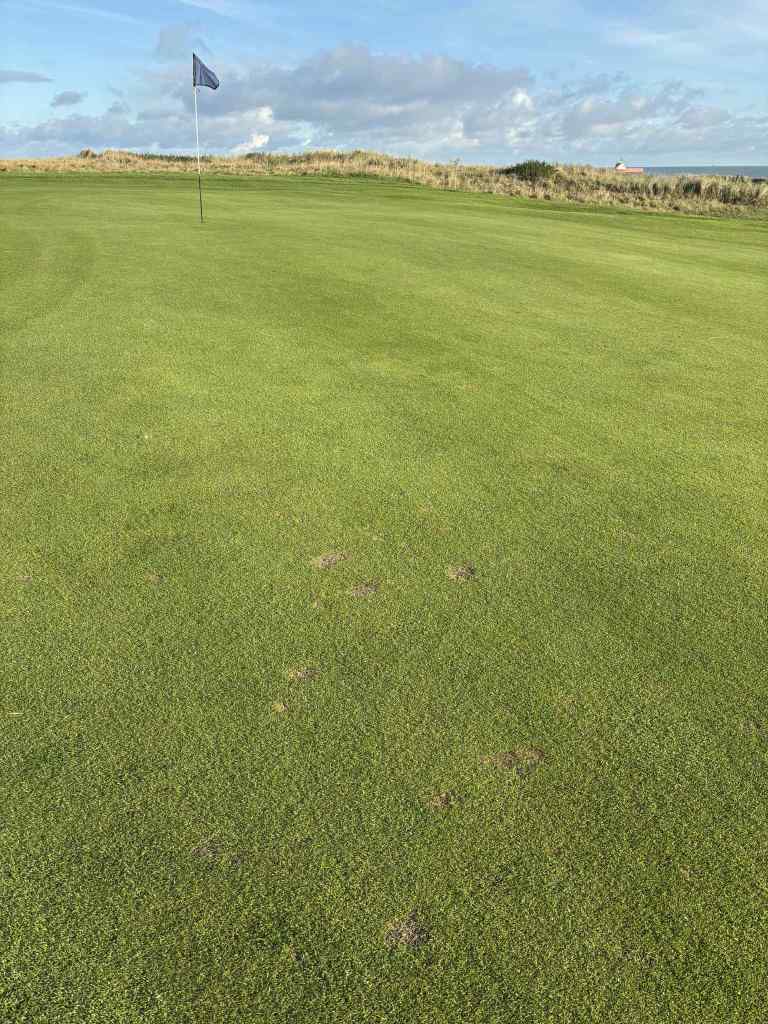
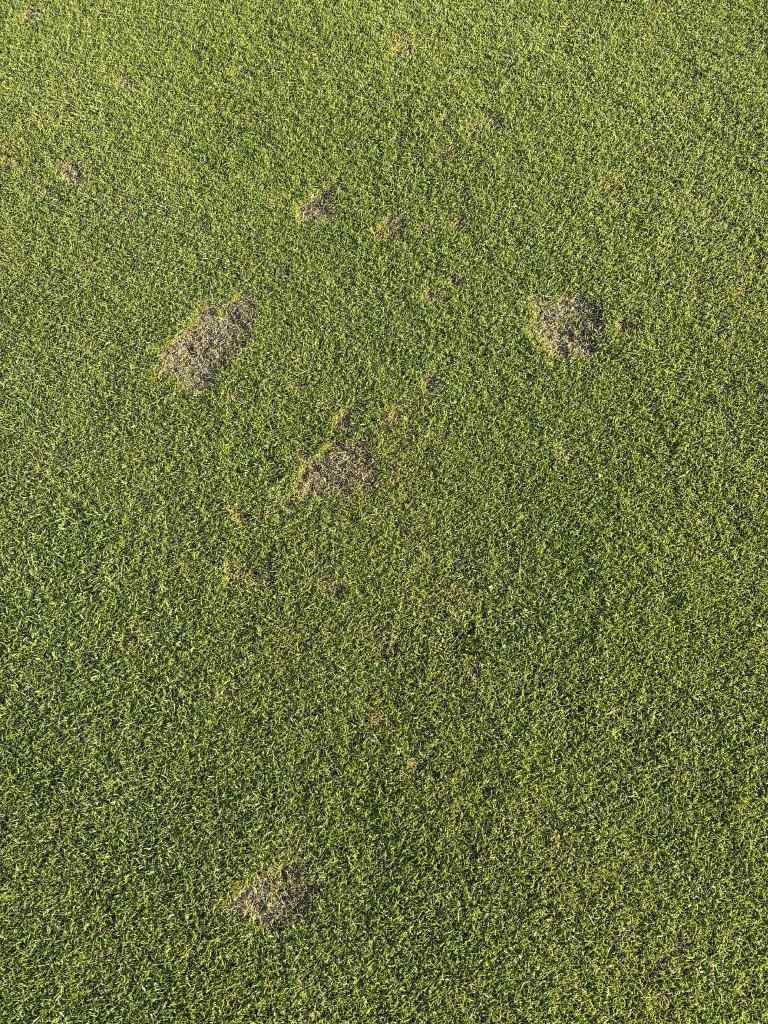
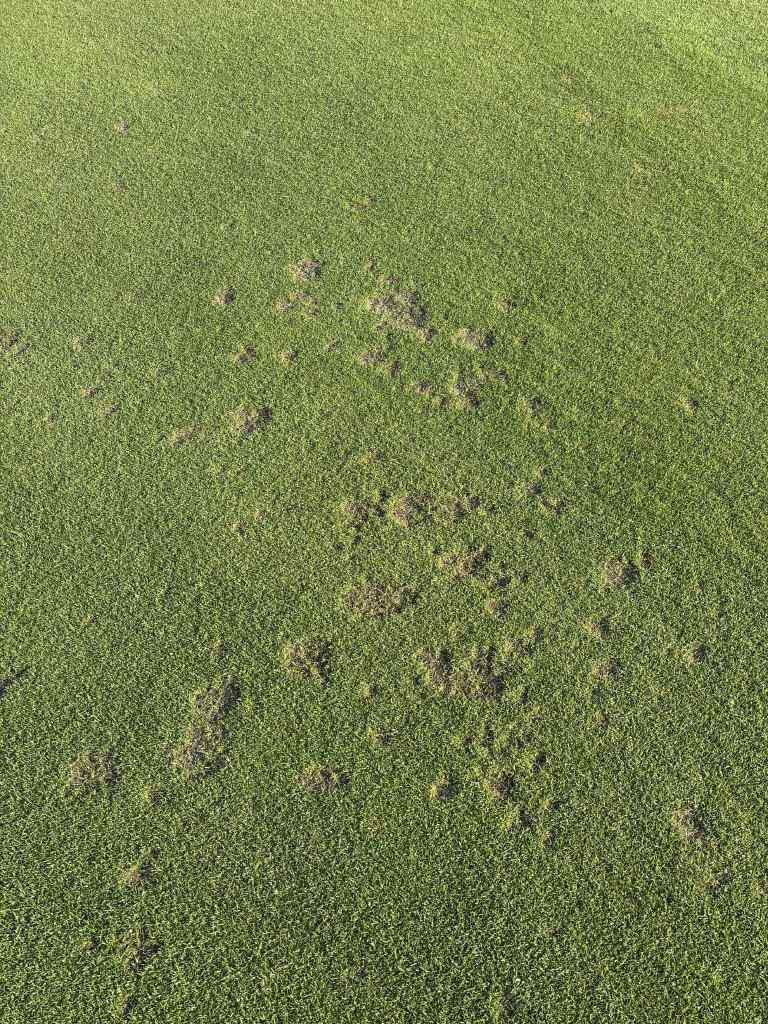
    Microdochium Nivale, previously referred to as Fusarium, is a fungal disease that affects fine turf, particularly in mild, damp conditions. It weakens grass plants and leaves circular scars that can be unsightly while also impacting playability.  

    This Autumn’s outbreaks have been so severe that although we have prepared we have been affected to some degree on various surfaces. Even our consistent maintenance practices could not fully counteract the unrelenting conditions. There have been many instances where dew was reforming throughout the day and even regular dew removal offered only limited protection. 

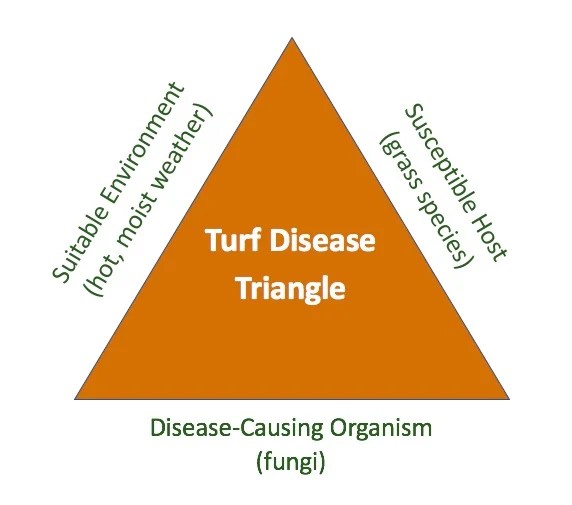
    This autumn’s problems are the consequence of a prolonged period of turf stress followed by a precise sequence of weather events that favored disease. We have come out of an extremely dry spring and summer, and that’s left many plants weakened and under stress. When turf goes into autumn in that condition, it’s more vulnerable. It’s a bit like us; if you’ve been burning the candle at both ends, you’re more likely to get ill because your body’s tired. The grass plant’s no different: it’s been under pressure through spring and a hot, dry summer, so it’s gone into the autumn slightly weaker than normal.

    The prolonged period of high-pressure systems that have moved in during Autumn have trapped moisture near the surface. These weather patterns produced an extended run of heavy dew and mild overnight temperatures that gave the disease everything it needed to establish and spread. Normally high pressure brings settled weather, but these particular systems trapped cool, moist air at ground level. That meant a lot of dew and long periods of leaf wetness, combined with mild overnight temperatures.

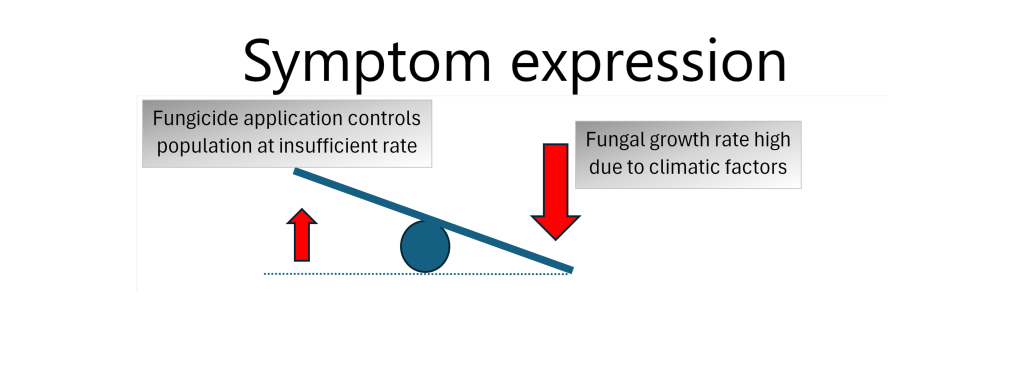
    Throughout Autumn we have applied a disease management tank-mix of Liquid Turf hardener, turfite elite, and seamac pro turf fe, together with mantle at half rate alongside preventative fungicides. However, the intensity of the conditions, coupled with the reduced potency of available chemical controls, made it difficult to fully protect every surface. 

    In the past, when we had more effective fungicides, you had a good chance of containing an outbreak even when conditions were perfect for disease. Nowadays, products are less effective and we must remember, they don’t kill Microdochium; they slow its growth. Once infection gets going, it’s very hard to stop.

    We are seeing warmer, more humid periods extending later into the year, conditions that favour disease development. At the same time, we have fewer effective tools to control disease. So, you’ve got a combination of increased pressure from the climate and reduced chemical control – that’s not an excuse; that’s the reality. 

    This Blog post references ‘The perfect storm’ for high disease pressure article by BIGGA
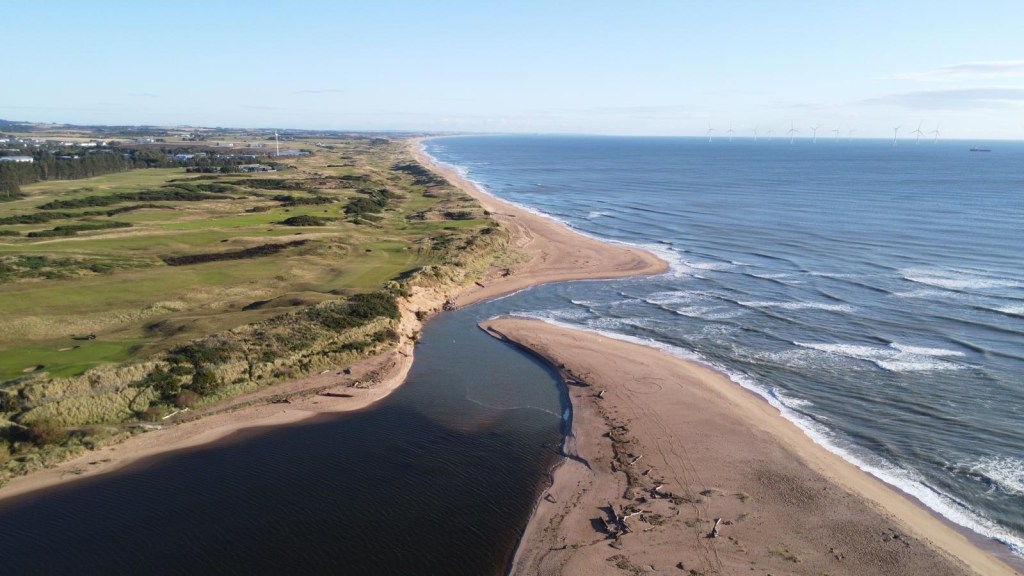
  • Winter Improvement Programme 2025/26 – Balgownie Links

    Hole 1

    Reconstruction of left-hand fairway bunker. Add new revetted face and replace surrounding turf

    Reconstruction of both greenside bunkers. Add new revetted face and replace surrounding turf

    Hole 2

    Increase size of Green tee and turf to allow more tee space and improved wear tolerance.

    Hole 6

    Reconstruct left hand greenside bunker. Add new revetted face and replace surrounding turf

    Hole 7

    Reduce height of green tee to improve visibility of fairway and right hand fairway bunkers. Increase size of teeing area to allow winter play and increased wear tolerance.

    Hole 8

    Reconstruction of green and approach to include the revetment of all 10 bunkers and improved walk off to 9th tee. Remove existing turf, improve roortzone, re contour green and bunkering and re lay turf. 

    Hole 10

    Reconstruction of left-hand fairway bunker. Add new revetted face and replace surrounding turf

    Reconstruct 2 Right hand greenside bunkers. Add new revetted face and replace surrounding turf

    Hole 12

    Reconstruction of both Right and left-hand fairway bunkers @ 50 yards from green. Add new revetted face and replace surrounding turf

    Hole 13

    Reconstruction of Right-hand greenside bunker. Add new revetted face and replace surrounding turf

    Hole 14

    Reconstruction of Right-hand greenside bunker. Add new revetted face and replace surrounding turf

    Hole 15

    Reconstruction of both yellow/white and red tees. The tees will be raised and new rootzone added to provide a drier links like surface and a better view of hole/less intimidating tee shot. Reduce mounding short of road to give better visibility of the fairway and north sea/ city backdrop from the tee. Improve pathway from tee by removing gravel and introducing double width turf pathway. 

    Reconstruction of all 3 greenside bunkers. Add new revetted face and replace surrounding turf

    Hole 16

    Reconstruction of all 3 left-hand greenside bunkers. Add new revetted face and replace surrounding turf

    Hole 18

    Reconstruct 3 x greenside bunkers. Add new revetted face and replace surrounding turf.

    Improve pathway from tee to fairway by increasing width and removing out of character steep gravel path

    Turfing worn areas

    There a quite a few areas around the course which require re turfing due to drought conditions and wear throughout 2025.

    Gorse Management

    This will continue throughout the winter period using our own machinery and the hire of a machine suitable to work on steeper slopes. There was also fire damage to gorse which will need to be cleared to allow regeneration

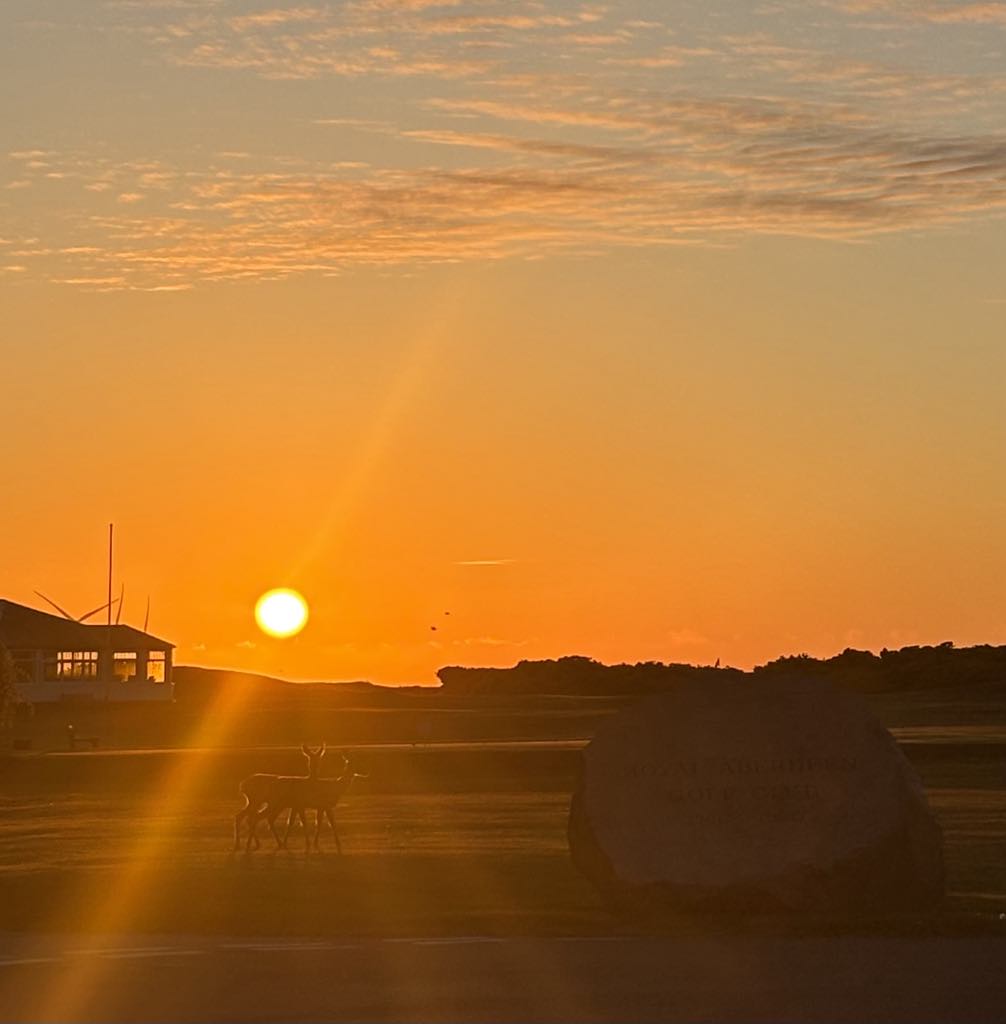
  • Balgownie – Sunrise

    Early mornings at Royal Aberdeen

    Sunrise at Balgownie is not just about the beautiful sights, but also the wonder of nature all around us

  • Bunker Etiquette / Advice

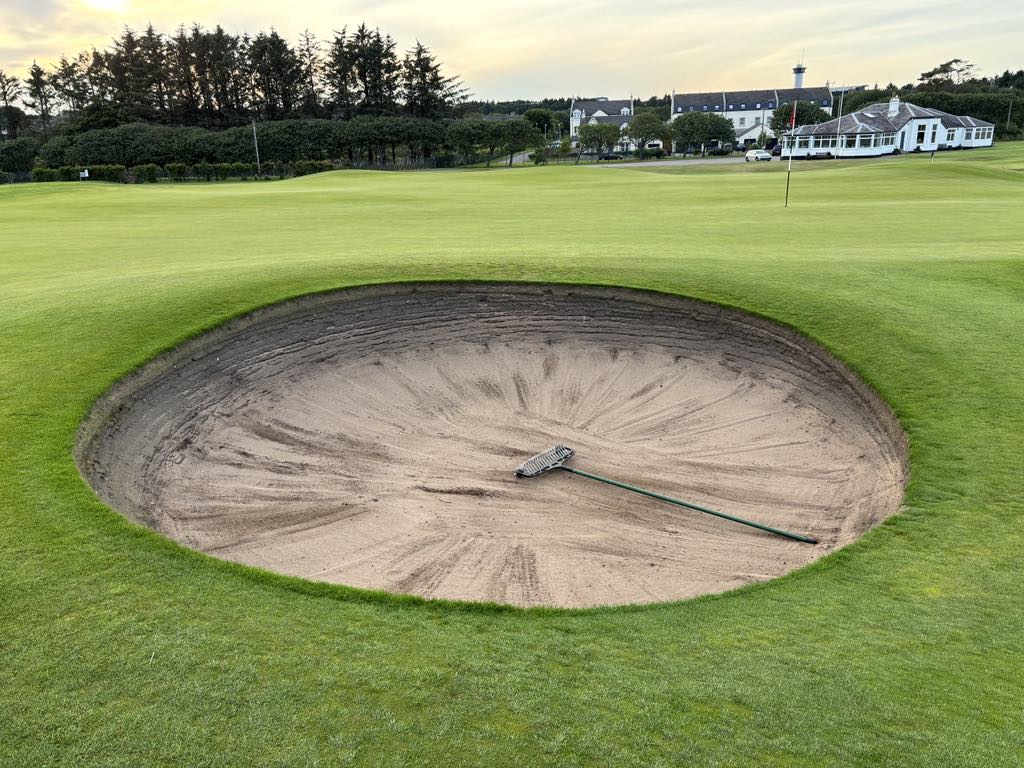
    #1 – Locate the lowest spot around the edge of the bunker that is convenient to your ball try not to walk down a steep face possibly damaging the turf edge, and leaving deeper footprints.

    #2 – Carry the rake into the bunker if needed. Contrary to what some golfers believe, it is within the rules and can speed up play, be sure you do not allow the rake to touch or test the sand except when you drop it.

    #3 – Before playing the shot the rake should be dropped behind the area where you take your stance and not used to align the shot.

    #4 – Begin raking over the signs of play, to restore the surface without displacing too much sand by pushing the rake away from you a few times to spread the excess sand forward towards the face.

    #5 – Step out of the bunker and make a final few passes. The Rake Should Be Placed Inside the middle of the Bunker. This is normally a balls natural finishing position (especially in our small links pot bunkers) and if your ball hits it , you’re already in the bunker. We feel there is more likelihood of a ball being deflected into, or kept out of, a bunker if the rake is placed outside the bunker.

    If the sand was to be all raked back towards the entry point and rakes left around the edges it almost makes it impossible for the next person who lands in the bunker to escape.