Tag: EDUCATION

  • Rainfall Data Update – December 2025

    Rainfall is a key element of Scottish weather and it dictates how and when the golf course maintenance can be carried out here at Royal Aberdeen Golf Club.


    This year has been an incredibly difficult year with a prolonged winter and cooler temperatures lasting until April, meaning growth was slow at the start of the season. The  freezing temperatures were followed by a prolonged dry spell which meant our irrigation system was being used on a daily basis throughout early Spring. 

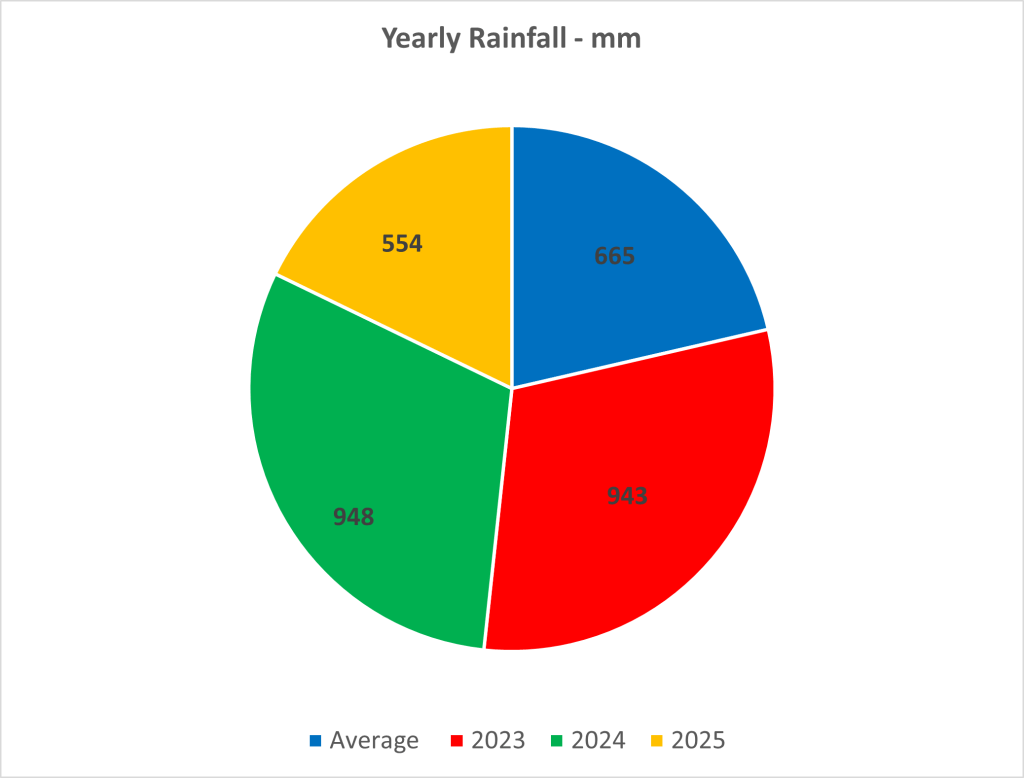
     Aberdeen has an average annual rainfall of around 866 mm whereas some areas in Scotland receive about 3,000 mm of precipitation per year.

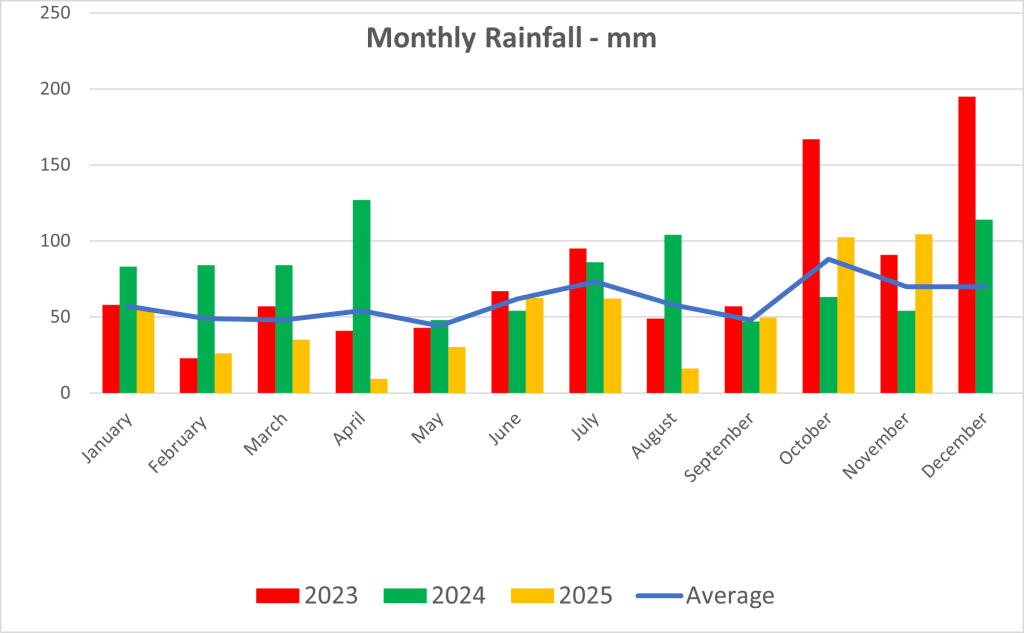
    As you can see from the stats below it was a considerably dry first 9 months of the year on the links. This all changed from October onwards when we have been experiencing prolonged spells of mild and wet weather. The daily data shows that since the start of October there has been rainfall on 53 of the last 90 days, accumulating 255mm in that same period. This equates to 42% of the years rainfall total in the last 3 months.

    The monthly rainfall totals for 2025 are as follows;

    January 55.6mm

    February 26.2mm

    March 35.2mm

    April 9.4mm

    May 30.4mm

    June 62.4mm

    July 62.2mm

    August 16mm

    September 49.6mm

    October 102.8mm

    November 104.4mm

    December 48.2mm

    Total precipitation to date = 602.4mm

  • Staff Trainig – Emergency First Aid At Work

    On 13/11/2025 Assistant Greenkeepers William Mackenzie, Lindsay Skea, Connor Lindsay and Apprentice Greenkeeper Adam Giles attended a 1-day Emergency First Aid at Work (EFAW) training course. The course is ideal to provide our team members with the confidence and skills to respond effectively to a workplace first aid emergency.

    The content of this course was designed to build knowledge and confidence. It has given the attendees the ability to recognise and treat various illnesses and incidents correctly and efficiently.

    The course covered the following topics:

    Seizures

    Role of a first aider

    Use of equipment

    Importance of recording incidents and actions

    Basic hygiene and preventing cross infection

    The priorities of first aid

    Assessing and managing incidents

    Treatment of an unconscious casualty

    Cardio Pulmonary Resuscitation

    Shock

    Wounds and bleeding

    Minor injuries including small cuts, grazes, bruises and small splinters

    Minor burns and scalds

    Choking

    This now means that all 10 members of the greenkeeping team are all now first aid trained and have the skills to respond effectively to a workplace first aid emergency.

  • Microdochium Nivale

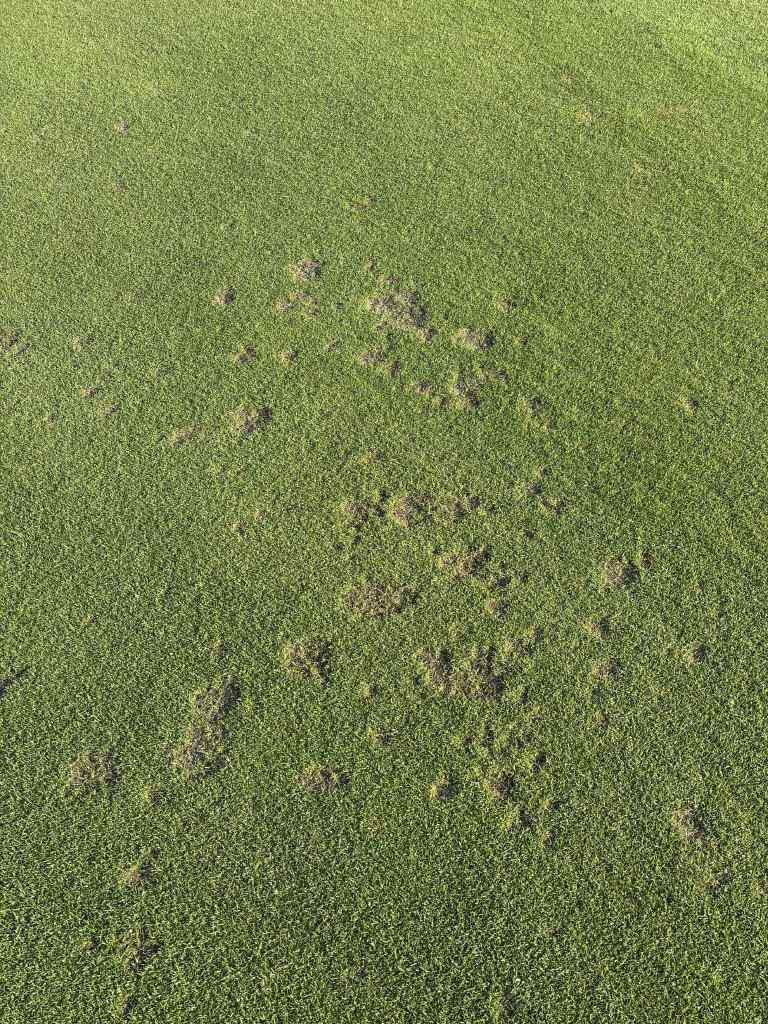
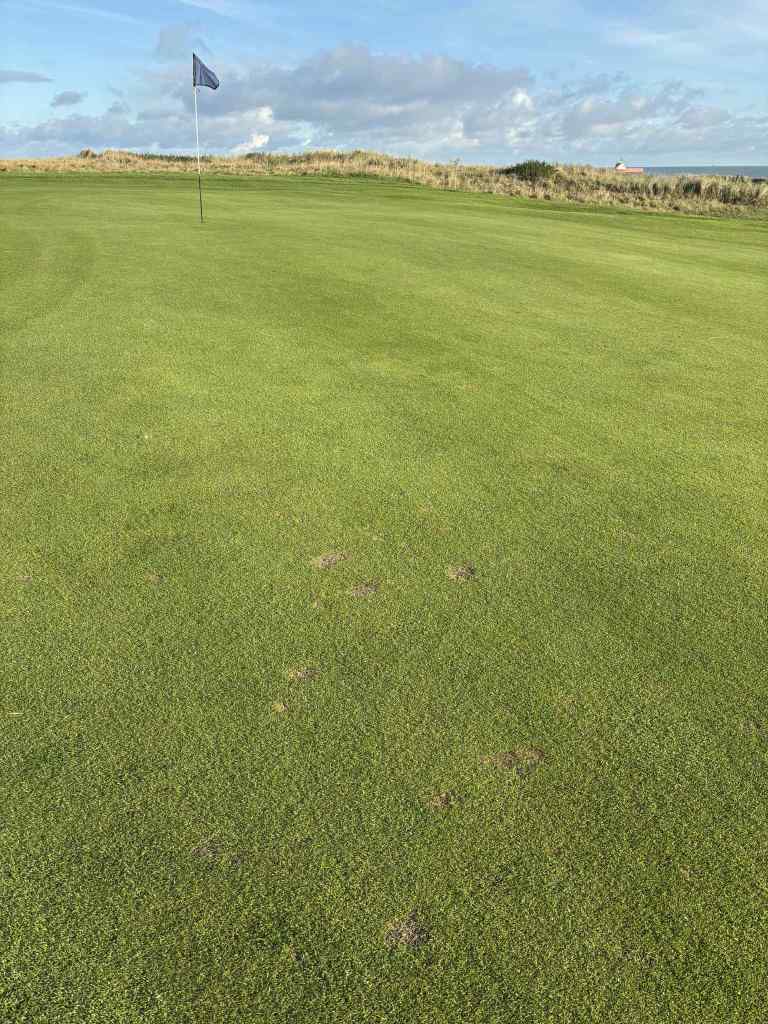
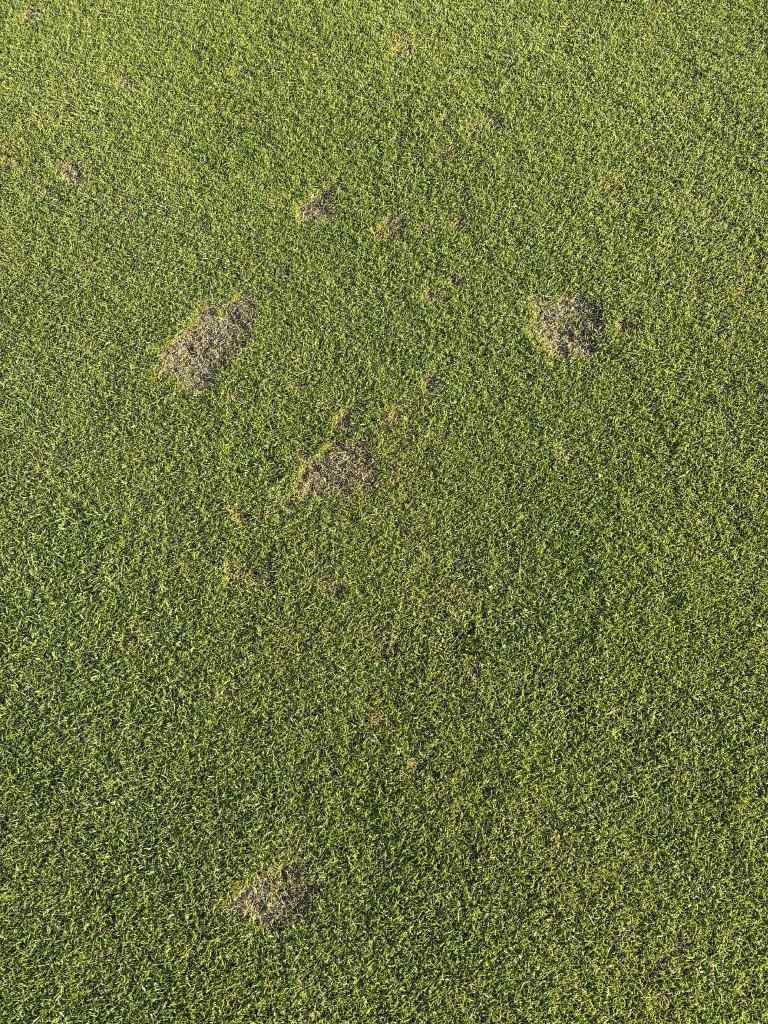
    Microdochium Nivale, previously referred to as Fusarium, is a fungal disease that affects fine turf, particularly in mild, damp conditions. It weakens grass plants and leaves circular scars that can be unsightly while also impacting playability.  

    This Autumn’s outbreaks have been so severe that although we have prepared we have been affected to some degree on various surfaces. Even our consistent maintenance practices could not fully counteract the unrelenting conditions. There have been many instances where dew was reforming throughout the day and even regular dew removal offered only limited protection. 

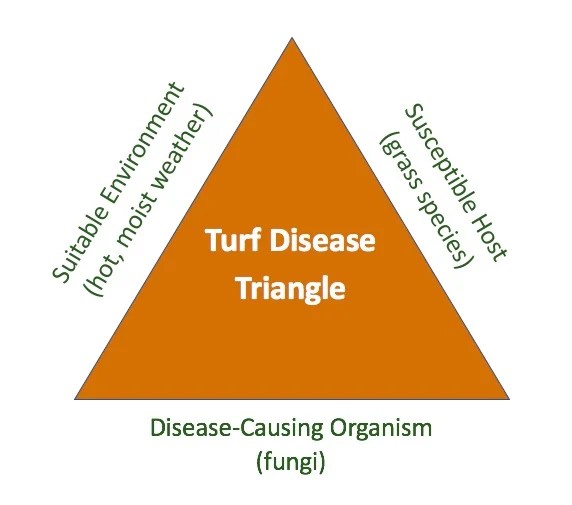
    This autumn’s problems are the consequence of a prolonged period of turf stress followed by a precise sequence of weather events that favored disease. We have come out of an extremely dry spring and summer, and that’s left many plants weakened and under stress. When turf goes into autumn in that condition, it’s more vulnerable. It’s a bit like us; if you’ve been burning the candle at both ends, you’re more likely to get ill because your body’s tired. The grass plant’s no different: it’s been under pressure through spring and a hot, dry summer, so it’s gone into the autumn slightly weaker than normal.

    The prolonged period of high-pressure systems that have moved in during Autumn have trapped moisture near the surface. These weather patterns produced an extended run of heavy dew and mild overnight temperatures that gave the disease everything it needed to establish and spread. Normally high pressure brings settled weather, but these particular systems trapped cool, moist air at ground level. That meant a lot of dew and long periods of leaf wetness, combined with mild overnight temperatures.

    Throughout Autumn we have applied a disease management tank-mix of Liquid Turf hardener, turfite elite, and seamac pro turf fe, together with mantle at half rate alongside preventative fungicides. However, the intensity of the conditions, coupled with the reduced potency of available chemical controls, made it difficult to fully protect every surface. 

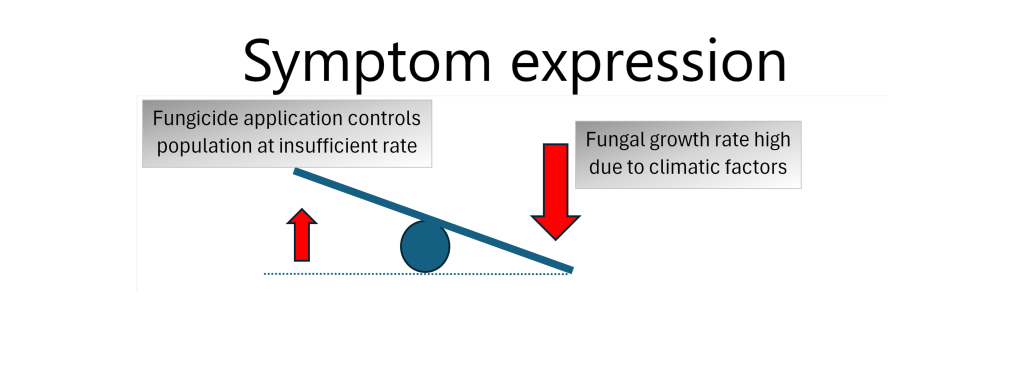
    In the past, when we had more effective fungicides, you had a good chance of containing an outbreak even when conditions were perfect for disease. Nowadays, products are less effective and we must remember, they don’t kill Microdochium; they slow its growth. Once infection gets going, it’s very hard to stop.

    We are seeing warmer, more humid periods extending later into the year, conditions that favour disease development. At the same time, we have fewer effective tools to control disease. So, you’ve got a combination of increased pressure from the climate and reduced chemical control – that’s not an excuse; that’s the reality. 

    This Blog post references ‘The perfect storm’ for high disease pressure article by BIGGA

  • Balgownie – Autumn Greens Maintenance 2025

    Over the last 20 Months we have worked hard to reduce Organic matter levels within our soil profile in order to give the perfect environment for fine links grasses to thrive. Having applied over 220 tonnes of sand to the greens already in 2025 we felt at this point our focus turns to a sustained overseeding programme aimed at increasing the content of fine leaved grasses within the grass sward.

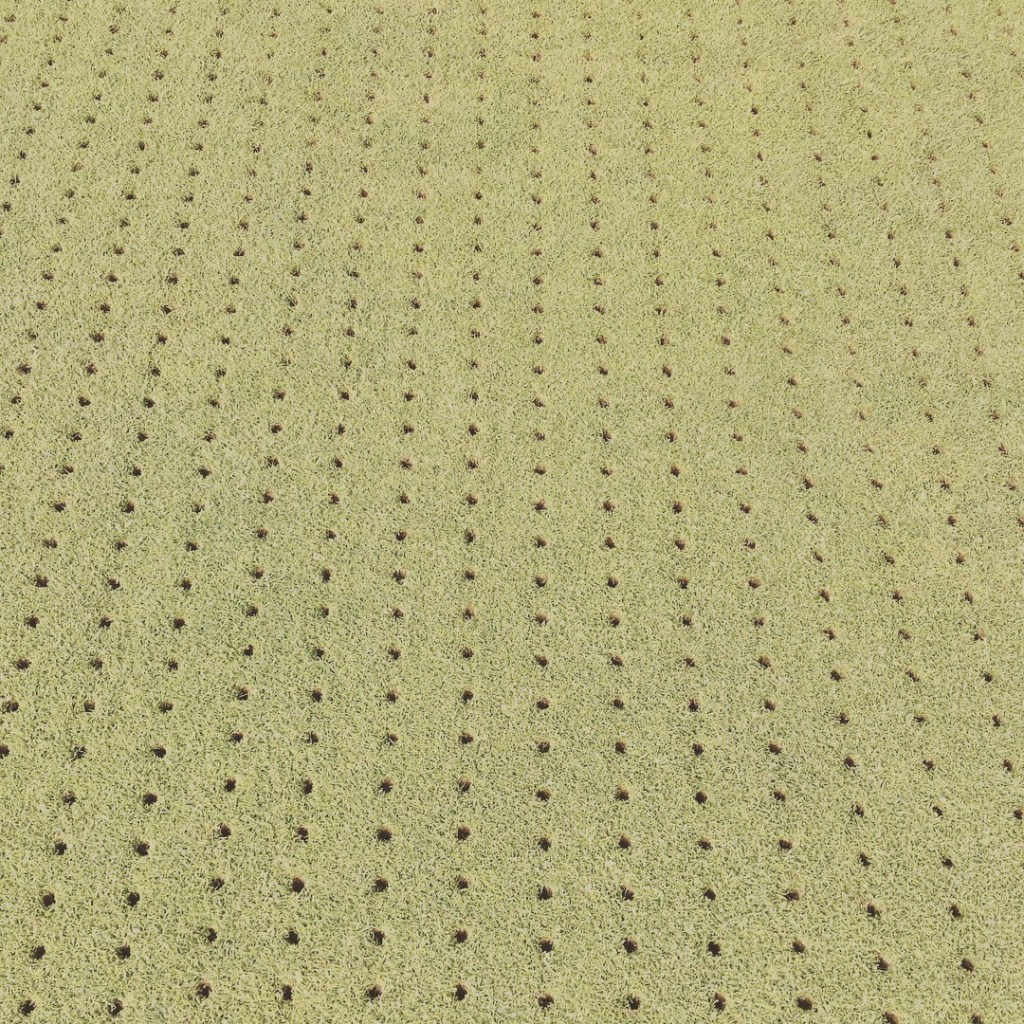
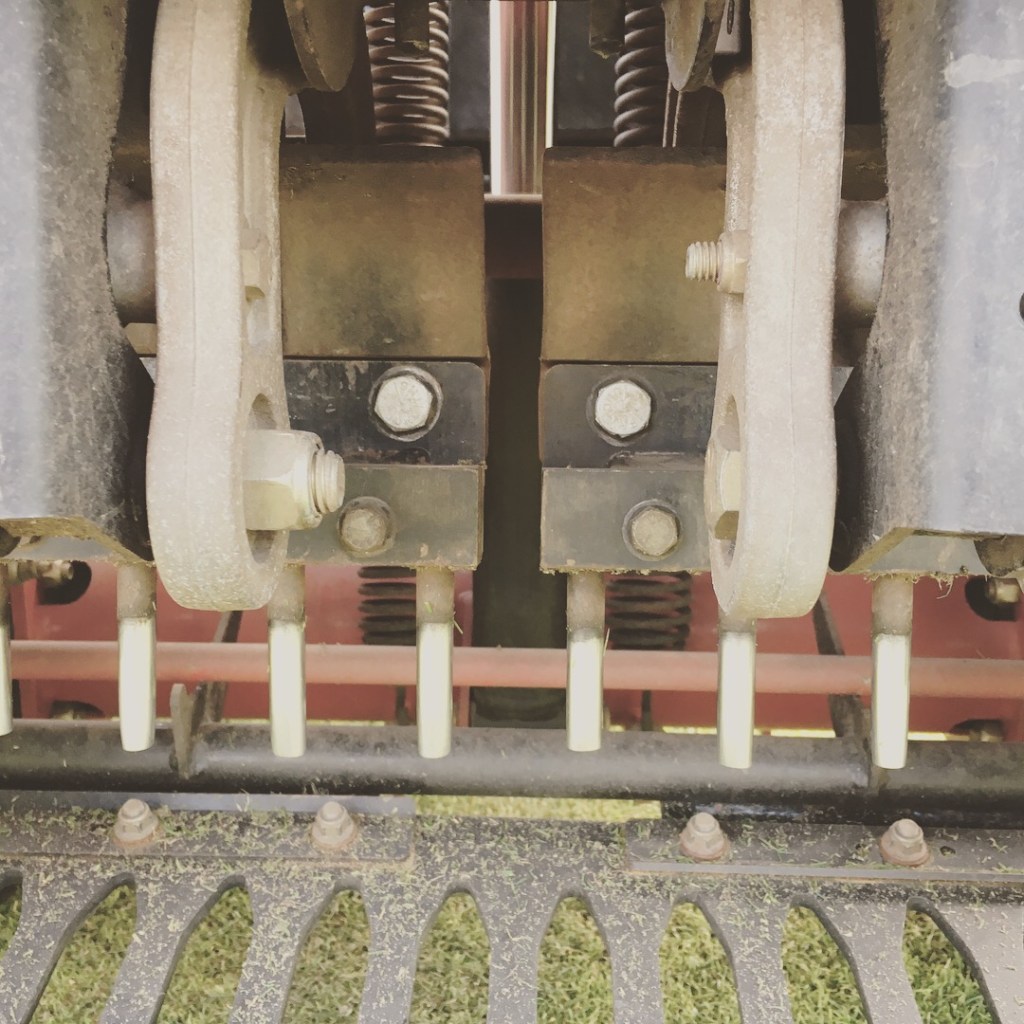
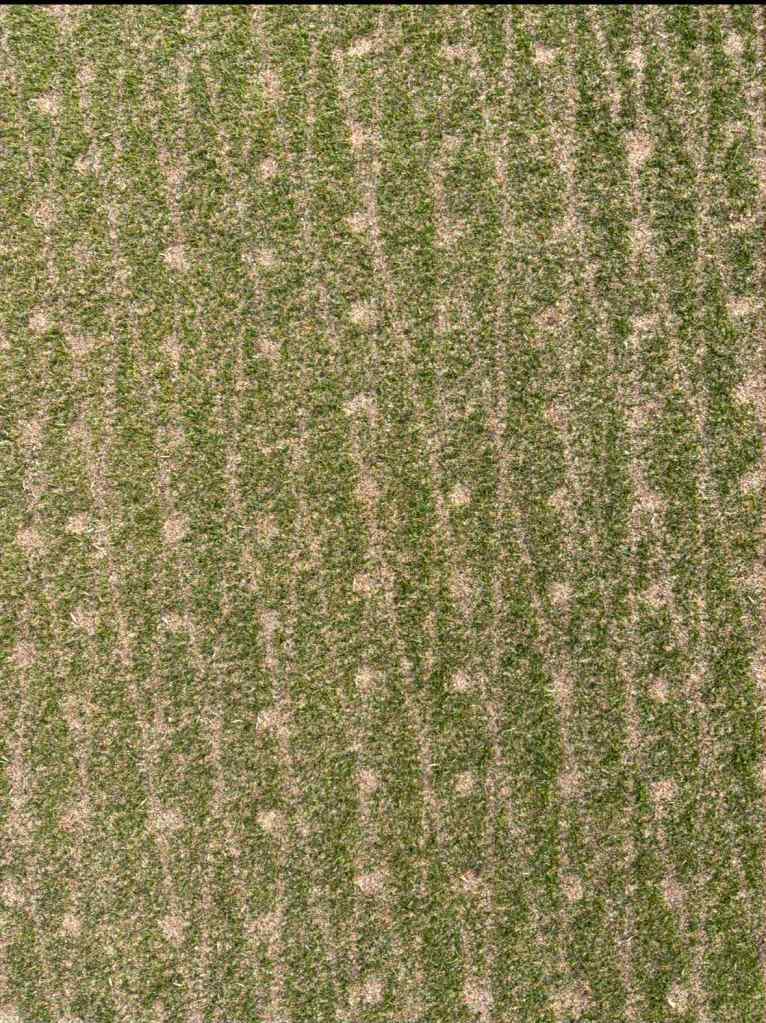
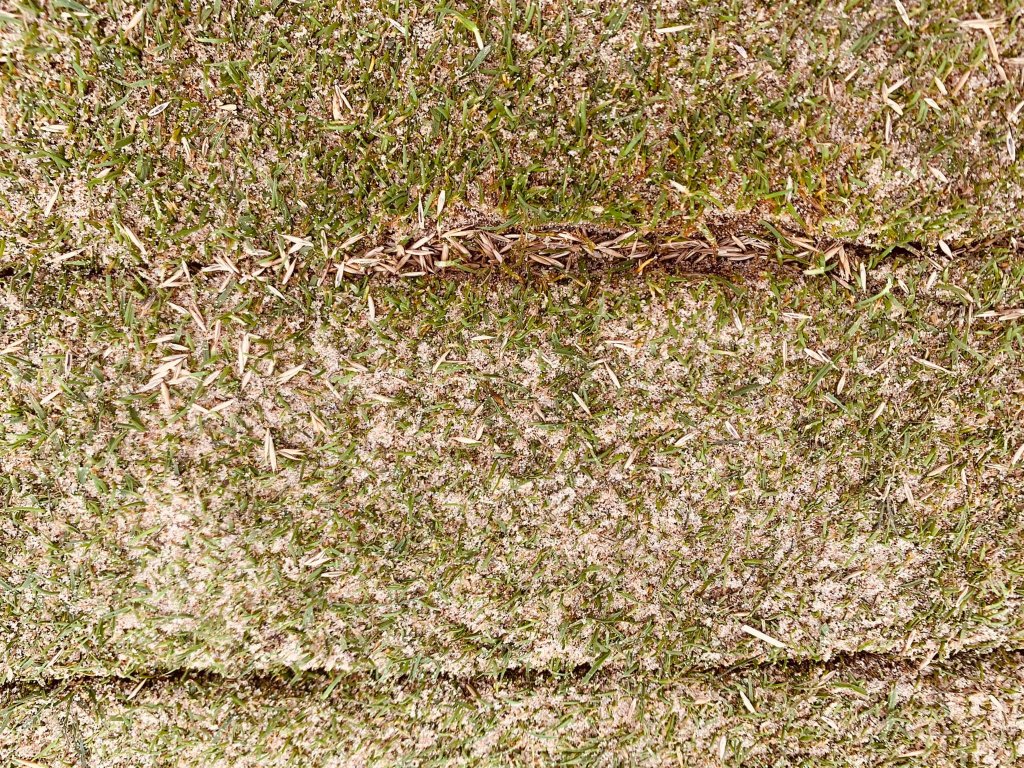
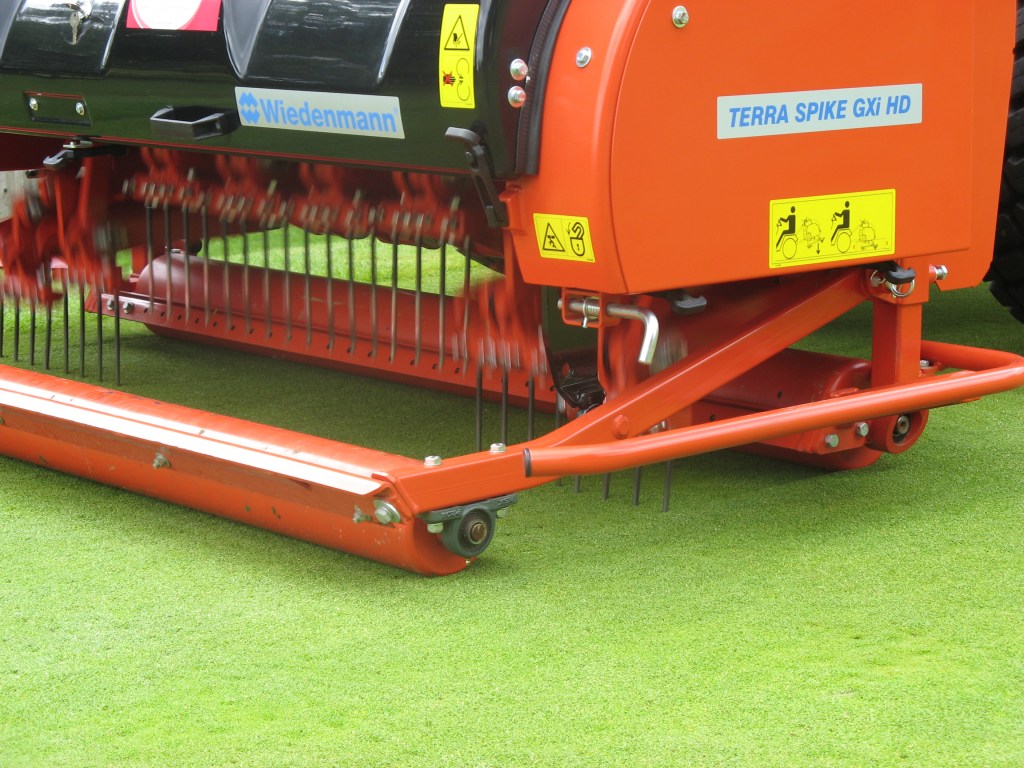
    During the 3 day course closure from 20th -23rd October we aim to deep aerate our greens and approaches using our Wiedenmann GXi8 fitted with 12mm solid tines, working to a depth of 195mm. This will be followed up by running our TORO Procore 648 across the greens to create as many 12mm holes as possible at a depth of 15mm. A process called “Pot Seeding”. A drop spreader will be used to apply Barenbrug Fescue seed before we work any excess seed into the holes using dew switches. We also intend to disc seed the surfaces using our VREDO Super Compact Disc Seeder. The Vredo places seed in a V-shaped slit at a depth of 10mm and spacings of 35mm, directly in contact with the soil for maximum germination rates.

    Following the mechanical aeration and overseeding processes, It is our intention to apply a further 40 Tonnes of our indigenous dune sand to surfaces before we use a Sweep and fill brush to cover the seed within the holes, provide the seeds with the correct growing medium and some protection from the elements. Providing the soil temperatures remain above 6 degrees the seed should germinate within the next 3 weeks, this is due to the slightly cooler conditions forecast at this time of year.

    The surfaces will be rolled using our RB70 Tru Turf rollers to restore smoothness and trueness across the site.

    Fescue and bent are the most appropriate species to links sites across the UK and with adequate management will provide characteristics that are typical of links golf here at Royal Aberdeen. The practice of overseeding is a vital aspect of what we are trying to achieve and will now remain part of our annual maintenance at least twice a year.

    Although a little disruptive for a short period  please be patient as we attempt to change the botanical composition of the sward to a more desired species and in turn finer links like surfaces all year round.

  • Staff Training – Future Turf Managers Initiative(FTMI)- Class of 2025

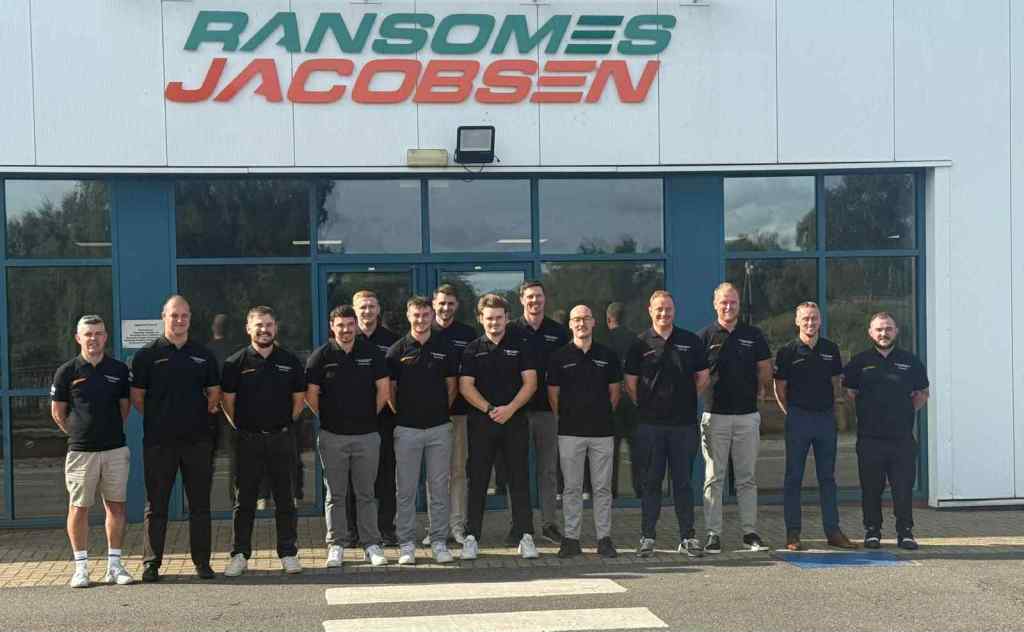
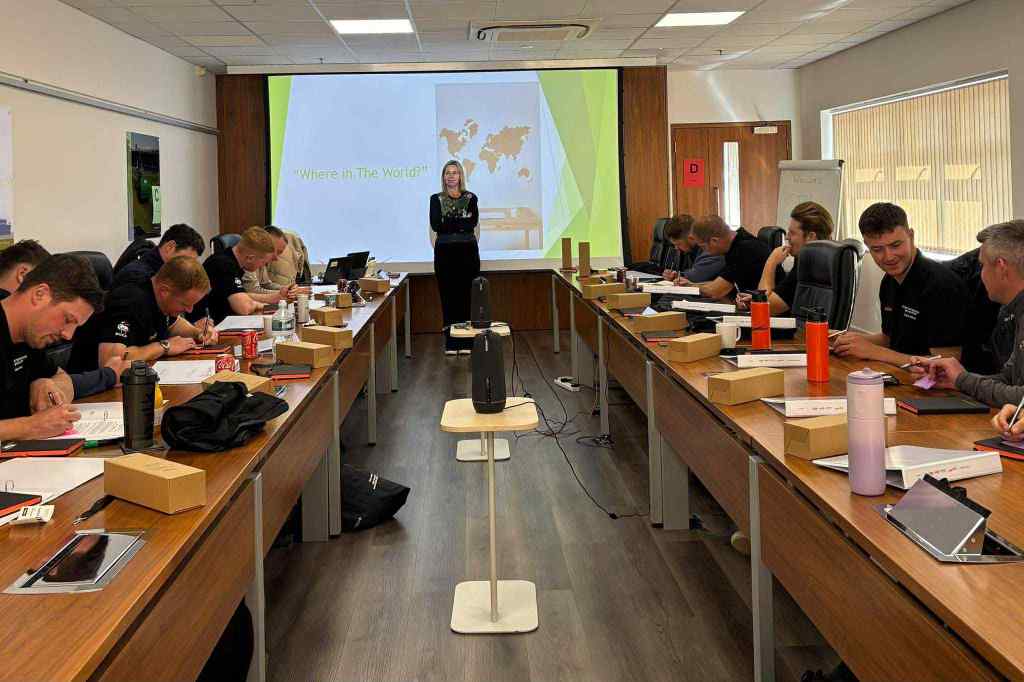
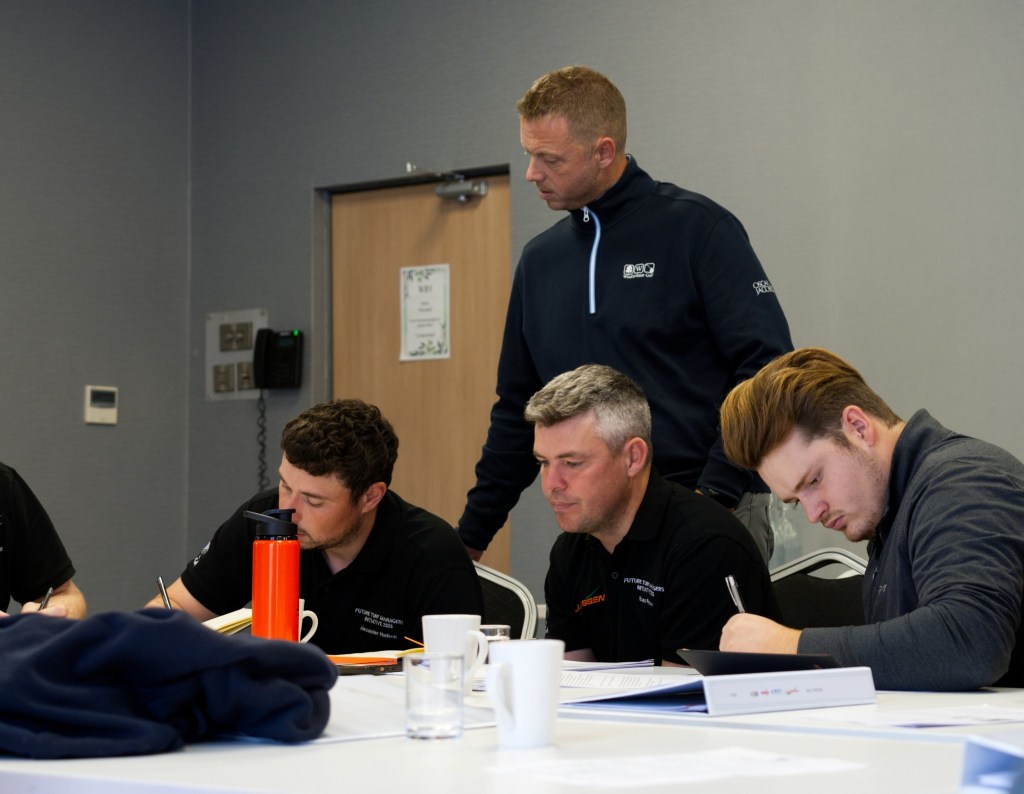
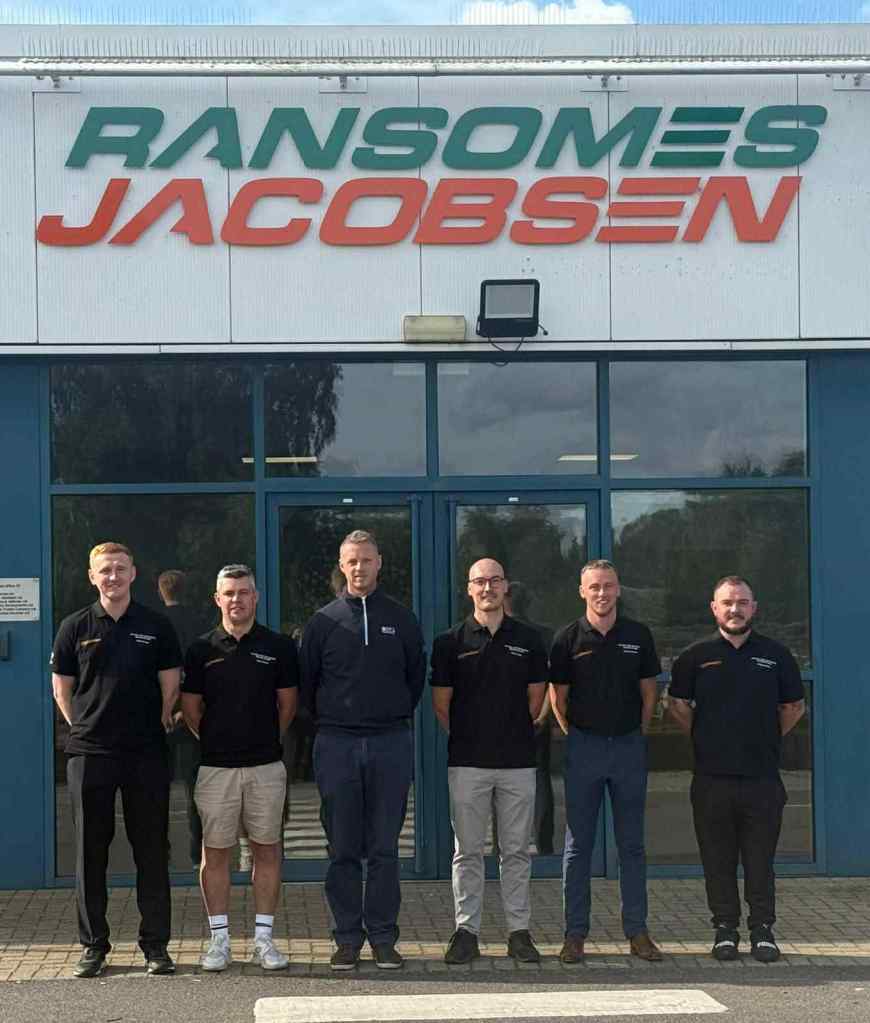
     First Assistant Greenkeeper Euan Polson was recently selected to be part of the Future Turf Managers Initiative 2025, a training programme to help talented greenkeepers progress towards head greenkeeper and course manager roles.

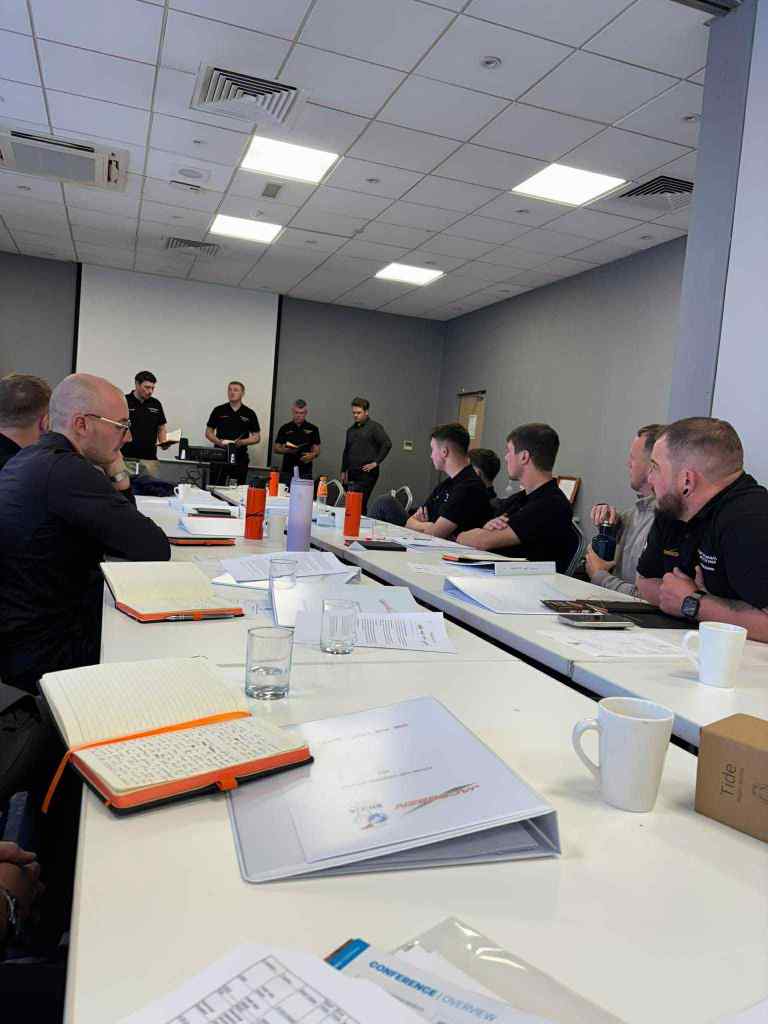
    FTMI was held at Ransomes Jacobsen’s headquarters in Ipswich from 24-25th September and will be followed by a series of online education sessions before culminating in two days of education at BTME in January 2026.

    The Future Turf Managers Initiative (FTMI) has been designed to provide practical tools and guidance, to help candidates to pursue their career aspirations. It is aimed at up and coming greenkeepers who want to make the leap to Course Manager. Focusing on personal and professional development, rather than agronomy based subjects.

    Jacobsen and BIGGA recognise the importance of preparing greenkeepers to take on the role of Head Greenkeeper or Course Manager. It designed to provide practical tools and guidance to help the candidates to pursue their career aspirations through this professional development conference and utilises the expertise of leading Course Managers, dynamic trainers and industry experts to mentor and educate the next generation of industry leaders giving them a clear understanding of what the future holds and a realistic overview of the expectations that come with the role of a Course Manager.

    This intensive training programme covers:

    • Presentation Skills
    • Communications
    • Presenting a Professional Image
    • Interview Techniques
    • Successful CV’s
    • Stress Awareness
    • Building a Budget
    • Becoming a Leader
  • Employee Recognition – 42 Years Service

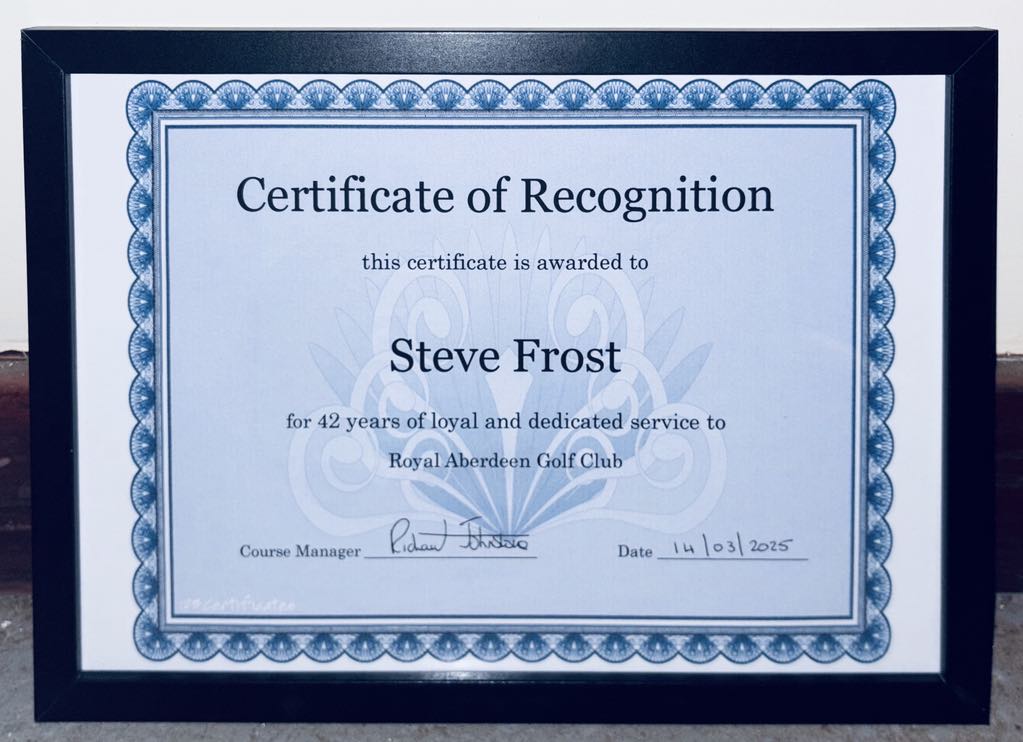
    On behalf of Royal Aberdeen golf club we would like to congratulate Deputy Course Manager Steve Frost who as of 14/03/25 has accumulated 42 years of loyal and dedicated service as part of the Greenkeeping Team.

    Steve started at Royal Aberdeen as an apprentice Greenkeeper on the 14th March 1983 and while attending Elmwood college over the next 4 years he obtained his SVQ Level 2 in Sportsturf management and spraying certificates PA1, and PA6. He has completed many other qualifications over the years including SVQ Leve3 in Sportsturf, Manual handling, PA2 Tractor mounted spraying certificate, emergency first aid, abrasive wheels, management training and continues to engage in the BIGGA CPD Programme. Steve has also been involved in the course preparation for almost all of the clubs major tournaments such as The Scottish Open, The Senior Open Championship, The Walker Cup, The Amateur Championship, The Boys Amateur Championship, The Scottish Amateur Championship and many other high profile events since he started with the club.

    This milestone represents a true and lasting commitment to Royal Aberdeen Golf Club and we are proud of this accomplishment.

    We thank Steve for being a valued member of our team and his continued contributions are vital our success.

    Please feel free to congratulate Steve on this achievement the next time you see him out working on the course.

  • Staff Training -SCQF Level 6 (SVQ Level 3) Sports Turf

    Congratulations to Assistant Greenkeeper Stephen Watson who has recently recieved his SVQ level 3 certificate after completing the SportsTurf qualification in March 2025.

    SCQF Level 6 (SVQ Level 3) Sports Turf

    It covers areas such as: implementing plans for the management of sports turf areas; plan and set out sports turf areas; promoting, monitoring and maintaining health, safety and security; managing resources; co-ordinating planting of crops or plants as well as maintaining land drainage and irrigation systems.

    Designed in partnership with the Sector Skills Council Lantra, this SVQ gives learners an internationally recognised qualification that guarantees they have the skills, knowledge and abilities to carry out their role successfully.

    This work based qualification was delivered on a part-time basis through attendance at SRUC Elmwood and developed to include the skills and knowledge required by the modern day greenkeeper and necessary to meet the golf course supervisor job profile.

    Royal Aberdeen Golf Club continue to invest in the future development and career progression of our team and Stephen has worked hard during his 4 years with the club to complete many other qualifications such as SCQF Level 5, PA1, PA6 & PA2 Spraying certificates, emergency first aid at work and CS30 Chainsaw certification.

  • Staff Training – BIGGA CPD Milestone Certificate

    On 27/09/2024Course Manager Richard Johnstone was awarded with a 16th BIGGA CPD Milestone certificate in recognition of his continued education and training in 2024/2025.

    The BIGGA CPD scheme is made up of members who are looking to improve their professional knowledge and competence within the industry while developing skills and personal qualities necessary for the execution of technical duties throughout their working life

    “No professional should stand still – we are learning – all the time”