
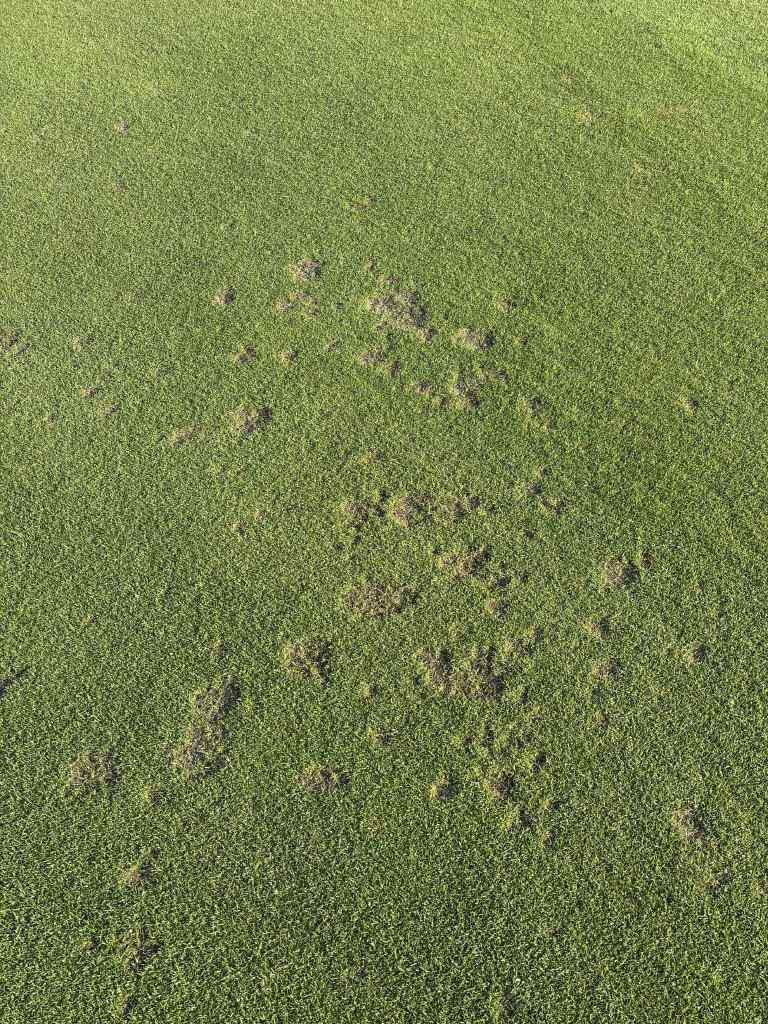
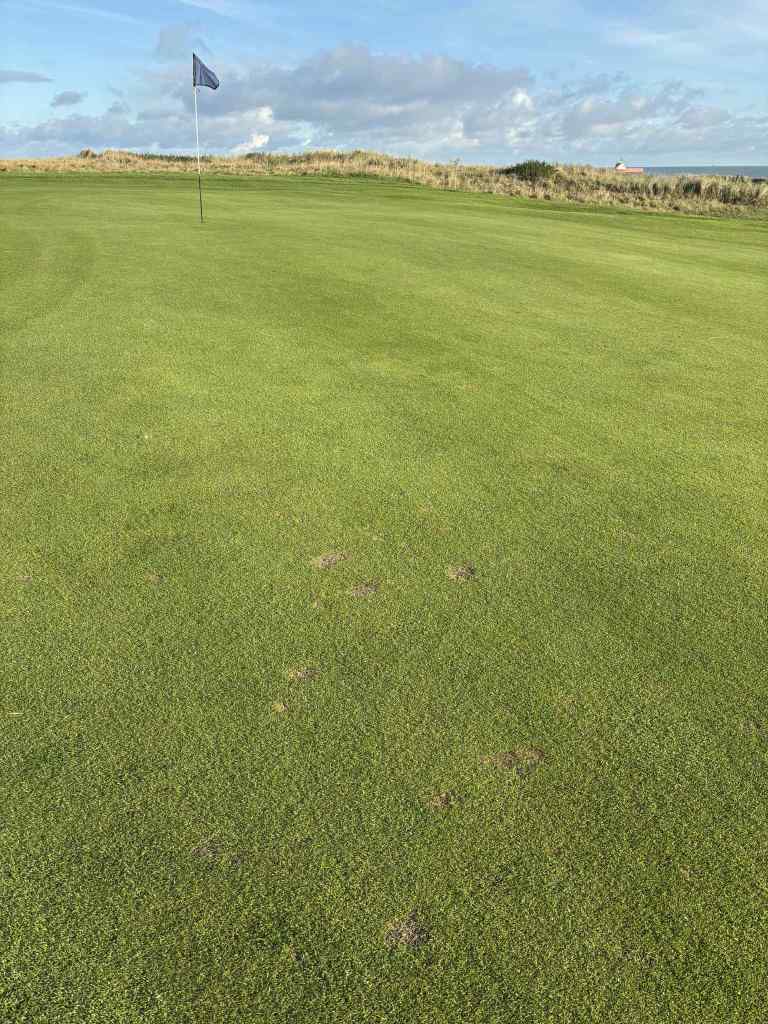
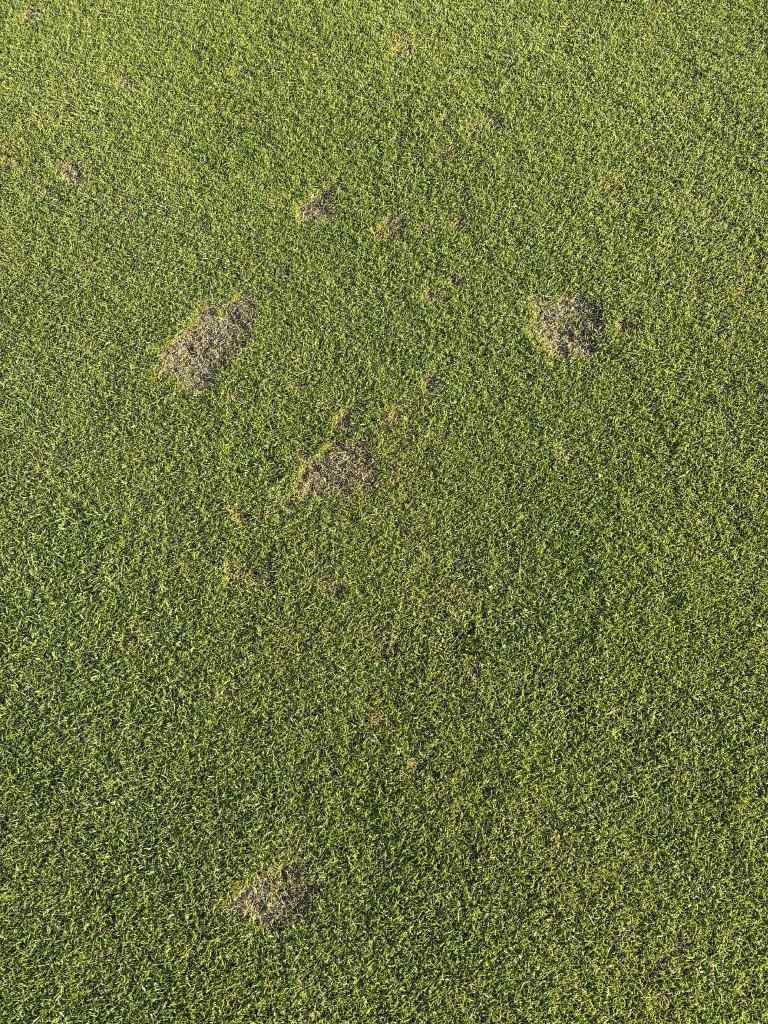
Microdochium Nivale, previously referred to as Fusarium, is a fungal disease that affects fine turf, particularly in mild, damp conditions. It weakens grass plants and leaves circular scars that can be unsightly while also impacting playability.
This Autumn’s outbreaks have been so severe that although we have prepared we have been affected to some degree on various surfaces. Even our consistent maintenance practices could not fully counteract the unrelenting conditions. There have been many instances where dew was reforming throughout the day and even regular dew removal offered only limited protection.
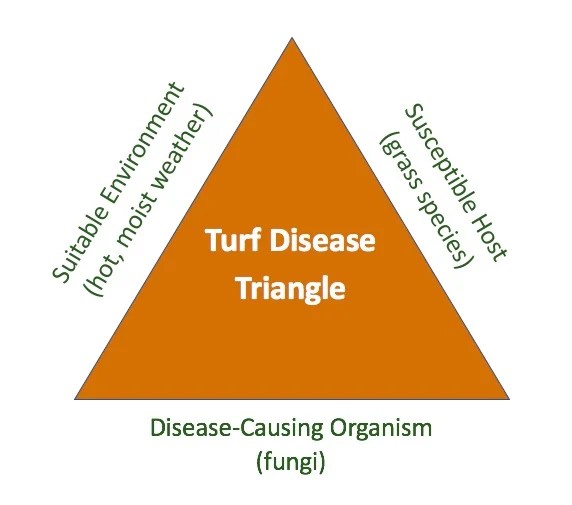
This autumn’s problems are the consequence of a prolonged period of turf stress followed by a precise sequence of weather events that favored disease. We have come out of an extremely dry spring and summer, and that’s left many plants weakened and under stress. When turf goes into autumn in that condition, it’s more vulnerable. It’s a bit like us; if you’ve been burning the candle at both ends, you’re more likely to get ill because your body’s tired. The grass plant’s no different: it’s been under pressure through spring and a hot, dry summer, so it’s gone into the autumn slightly weaker than normal.
The prolonged period of high-pressure systems that have moved in during Autumn have trapped moisture near the surface. These weather patterns produced an extended run of heavy dew and mild overnight temperatures that gave the disease everything it needed to establish and spread. Normally high pressure brings settled weather, but these particular systems trapped cool, moist air at ground level. That meant a lot of dew and long periods of leaf wetness, combined with mild overnight temperatures.
Throughout Autumn we have applied a disease management tank-mix of Liquid Turf hardener, turfite elite, and seamac pro turf fe, together with mantle at half rate alongside preventative fungicides. However, the intensity of the conditions, coupled with the reduced potency of available chemical controls, made it difficult to fully protect every surface.
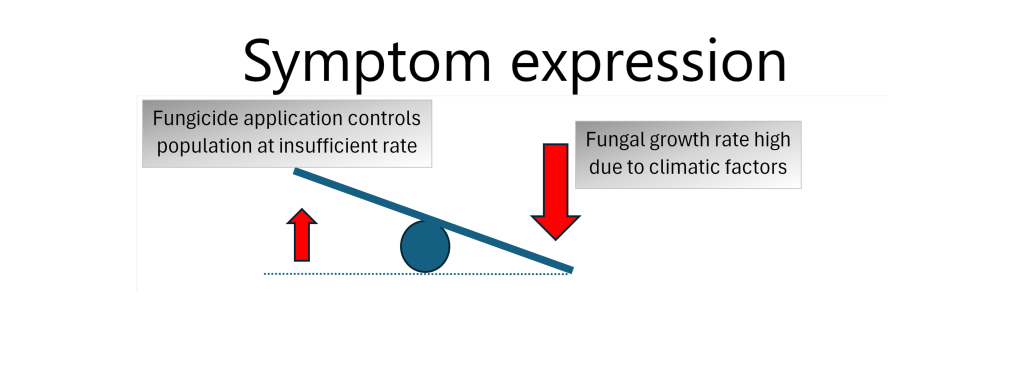
In the past, when we had more effective fungicides, you had a good chance of containing an outbreak even when conditions were perfect for disease. Nowadays, products are less effective and we must remember, they don’t kill Microdochium; they slow its growth. Once infection gets going, it’s very hard to stop.
We are seeing warmer, more humid periods extending later into the year, conditions that favour disease development. At the same time, we have fewer effective tools to control disease. So, you’ve got a combination of increased pressure from the climate and reduced chemical control – that’s not an excuse; that’s the reality.
This Blog post references ‘The perfect storm’ for high disease pressure article by BIGGA
 Royal Aberdeen Golf Club - Golf Course Blog